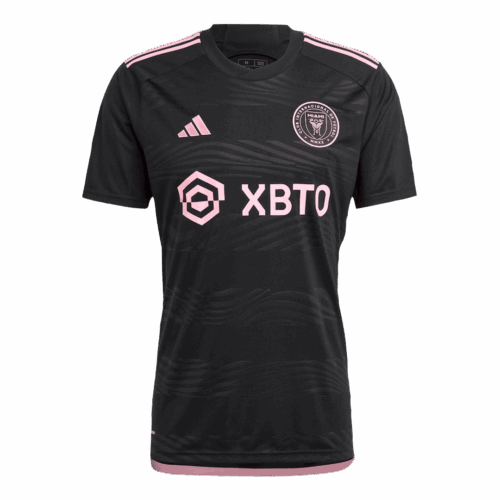
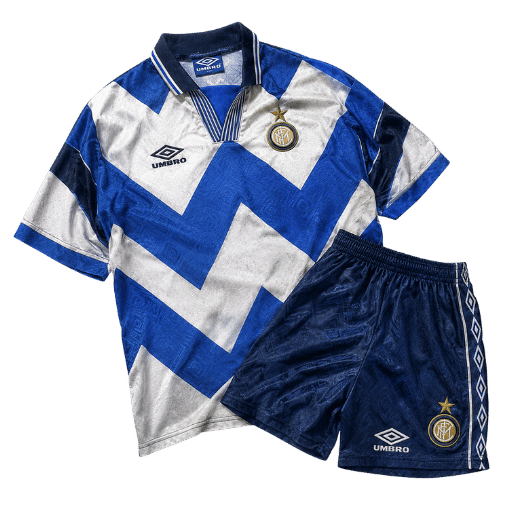
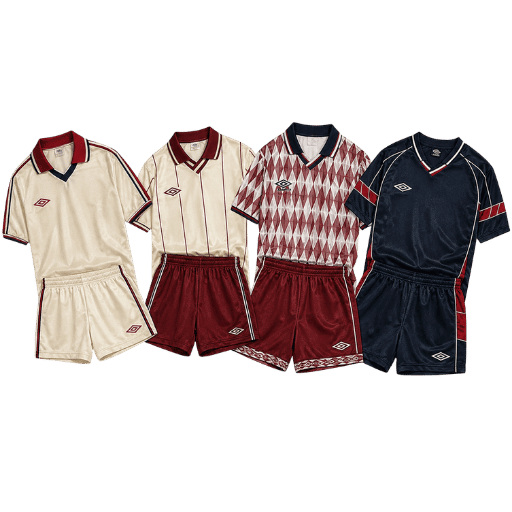
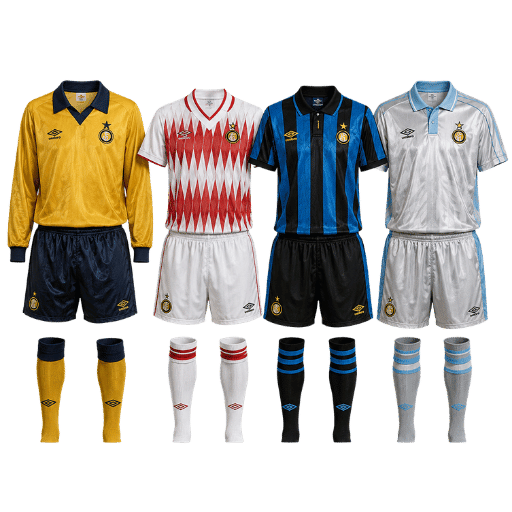
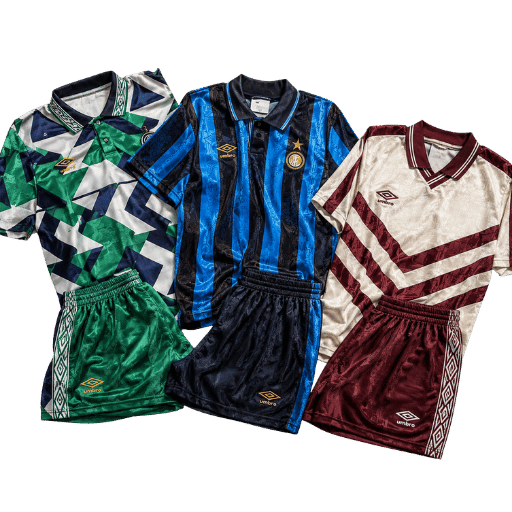
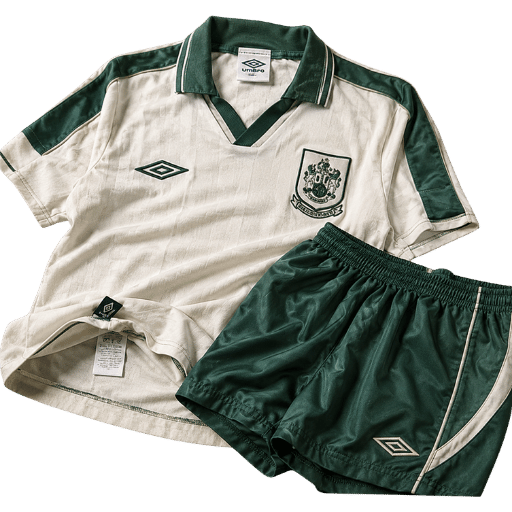
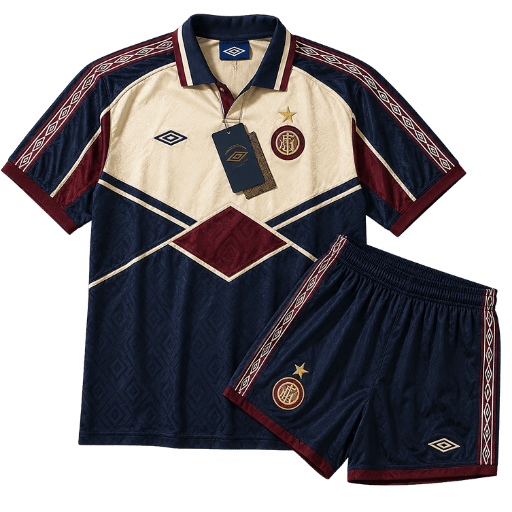
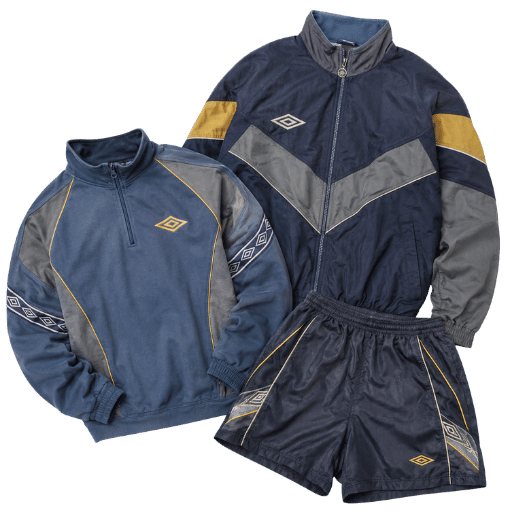
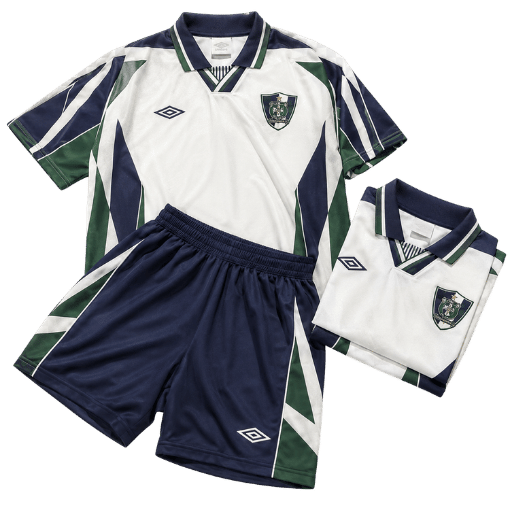
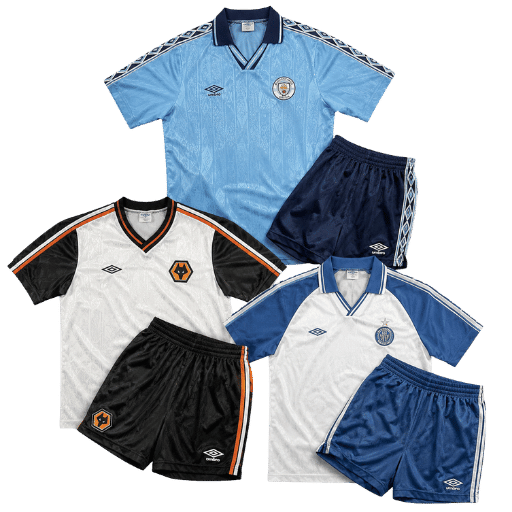
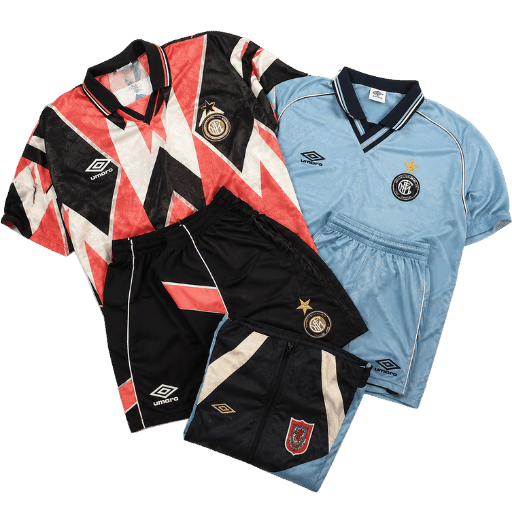
Still searching for your perfect jersey? Explore our best-selling products—we're confident you'll find a style that's just right for you in our diverse collection.
Updated June 2026 · Reviewed by the Classic Football Shirts technical team
A vintage Umbro football shirt is one of the most collectable things in British football, and for good reason: this Manchester brand made the kits for England, half the old First Division, and a good chunk of the 1966 World Cup. This vintage Umbro football shirt collection guide shows you how to date a shirt from its double diamond logo, separate genuine pieces from fakes, work out what a kit is actually worth, and build a collection you’re happy to wear or keep. Whether you’ve inherited one shirt or you’re chasing a specific 1990s home shirt, the checks below are the ones we use every day.
Quick Specs: Umbro at a Glance
Founded
1924, Wilmslow, Cheshire, England
Founders
Harold & Wallace Humphreys
Name origin
“Um” (Humphreys) + “Bro” (Brothers)
Logo
The double diamond
Golden era for collectors
Late 1970s to early 2000s
Most wanted
England 1990 & Euro 96; West Ham, Rangers, Manchester United home shirts
Why Umbro Shirts Define Vintage Football
In practice, that heritage is also why fakes are such a problem: because a brand with over 100 years of history is an easy target, the risk of buying the wrong shirt rise with every pound of value, which is why the Classic Football Shirts team checks each piece by hand.
Umbro was founded in 1924 by brothers Harold and Wallace Humphreys in Wilmslow, Cheshire, and the name is simply a contraction of “Humphreys Brothers.” The pair started in the back room of the family pub and opened their first factory in 1930, building a sportswear brand on the idea that kit and performance were linked, an early piece of sportswear innovation that set the tone for the firm. Harold’s line still sits on the modern archive packaging.
“If you look smart, you play smart.”
Harold Humphreys, Umbro co-founder
That philosophy turned a small British firm into the dominant name in football apparel and British sport for most of the twentieth century. Roger Bannister ran the first sub-four-minute mile in Umbro in 1954; Brazil won their first World Cup in Umbro in 1958; and by the time England lifted the trophy in 1966, Umbro were so dominant that 15 of the 16 teams at the tournament wore their kits. Across that football history, Umbro made far more than shirts: since 1924 the firm has turned out training wear, football boots, shorts and sports clothing, and by 1934 it was already kitting out FA Cup finalists. That long sportswear history is part of why the archive run so deep. For collectors, that heritage is the point: an Umbro shirt is a direct link to the eras that built modern football culture, a corner of sport where the old kit now matters as much as the result. Academic work on shirt design traces exactly this shift, from sportswear to a collectable, heritage-driven leisurewear that fans keep for its nostalgia (Stride et al., Sport in History), which is part of why genuine vintage pieces hold their value the way they do.
The Double-Diamond Logo: A Dating Timeline
In practice, collectors who skip the logo get the era wrong and overpay, sometimes by 50% or more, because the tag style changed on a clear timeline across roughly 100 years of design; reading it first is the cheapest mistake to avoid.
Fastest way to roughly date a shirt is the logo and neck label, not the design. We call this shortcut the Double-Diamond Decade Code: the way Umbro printed its mark and wrote its neck tags changed in a way you can read like tree rings. The table below maps the main eras a collector meet.
The Double-Diamond Decade Code: dating a vintage Umbro football shirt across 5 eras by logo and tag style.
Era
Logo & tag cues
Shirt traits
Late 1970s
Single/simple diamond; minimal manufacturer branding (only allowed on strips from the early 70s)
Plain bodies, crew necks, heavy cotton
1980s
Double diamond established; woven crest; “Tailored by Umbro” wording appears
Pinstripes, shadow patterns, fitted cuts
Early-mid 1990s
Blue neck label with clear dots inside the UMBRO wordmark; white wash-care label underneath
Baggy fits, all-over prints, bold sponsors
Late 1990s (1998-2000)
Wash labels change and start moving inside the shirt; multiple factory variants
Slimmer cuts, early breathable fabrics
2000s
Modern wordmark; printed care labels standard
Fitted, technical polyester
Era cues compiled from Umbro brand history and collector observation; treat as a guide, not a guarantee, because factories overlapped.
How to Authenticate a Vintage Umbro Shirt
In practice, the most expensive mistakes happen when a buyer trusts a seller over the labels, because the wordmark dots are the one detail that around 90% of fakes get wrong; a quick check stop you paying genuine money, and it’s the same check the Classic Football Shirts team runs before listing a shirt.
Fakes of popular 1990s Umbro shirts are everywhere, so a repeatable check matters more than gut feeling. Run what we call the Tailored-by-Umbro Tag Test: work down the neck, the print, and the stitching before you even look at the price.
How can you tell if a 1990s Umbro shirt is real?
Start at the blue neck label. On genuine 1990s shirts there are clear dots inside the letters of the UMBRO wordmark on the label, with proper raised stitching. Most fakes get this wrong: the design look flatter and the dots are missing or smudged.
Under that blue label you should usually find a white wash-care label showing size and washing symbols; the print on it rubs off easily, so a crisp one often means a shirt that was looked after. From around 1998-2000 the underneath labels changed and started being sewn inside the shirt, and Umbro’s South American factories used slightly different labels on England and European kits while keeping the same dot detail.
✔ Dots present inside the UMBRO wordmark on the neck label
✔ Crest is embroidered (era-correct), not a flat printed patch
✔ Sponsor print method matches the era (screen print, not modern heat transfer)
✔ Hems and side seams are tidy; poor hem stitching is a common fake tell
📐 Collector’s Note
1990s Umbro had looser quality control than modern kits, so a genuine shirt can still have a slightly crooked or cheap-feeling label. Judge the wordmark dots, stitch quality and print method together, not one detail in isolation. Experienced collectors also note that on late-1990s kits the inner tags are less reliable than people assume, so weight the blue neck label and the print over the inner sizing tag.
One honest warning: price is the single most consistent giveaway. If a “rare” England 1990 shirt is priced like a market stall t-shirt, assume it’s a reissue or a fake until the labels prove otherwise. For the difference between match-grade and retail versions, our guide to player version vs replica shirts is a useful companion read.
The Most Collectible Umbro Eras & Kits
In practice, this is where buyers overpay most, because demand is uneven and the gap is wide: a top-tier England 1990 shirt can cost 300% more than a mid-table club shirt from the same year, so knowing the tier before you bid lowers the risk of an expensive mistake.
Umbro made hundreds of kits, but a handful sit at the top of most want lists. These are the iconic football kits collectors chase, among the most iconic football shirts ever made, and the England shirts of the era sit right at the top alongside a run of classic designs for the big clubs. England’s white Italia 90 home shirt worn by Paul Gascoigne is widely called the most memorable England home shirt of all, and the Euro 96 home and grey away shirts aren’t far behind. The table rank the kits collectors chase hardest.
The 10-Kit Umbro Collectibility Ranking
The 10 most collectible vintage Umbro football shirts, ranked by tier and collector demand.
Kit
Tier
Why it is wanted
Demand
England 1990 (Italia 90)
S
Gascoigne; the tournament that revived English football
Very high
England Euro 96 home
S
Home tournament; the defining 90s England shirt
Very high
England Euro 96 grey away
A
Cult away shirt, endlessly copied since
High
England 1986 (Mexico)
A
Mexico 86 and Gary Lineker’s Golden Boot
High
Manchester United early 1990s
A
Premier League launch era; huge global fan base
High
West Ham United
A
Long Umbro association; strong terrace following
High
Rangers 1990s
A
Iconic Old Firm designs and sponsors
High
Celtic 1990s (white-label Umbro)
B
Old Firm demand; distinctive white neck label
Medium-high
Chelsea 1980s-90s
B
Classic designs and FA Cup runs
Medium-high
Man City, Tottenham Hotspur & Sheffield Wednesday
B
Classic 1980s-90s club designs from the Umbro years
In practice, this is the step collectors skip and get wrong, because a shirt with no label still carries its decade in the cut and fabric; missing those cues brings the risk of dating a shirt 10 years out, the gap that turns a £40 buy into a £200 mistake, so it pays to use the same read the Classic Football Shirts team uses.
When the label is missing or worn, the shirt itself still tells you its decade. Read the cut, the fabric and the sponsor rules together.
When did manufacturer logos first appear on football shirts?
Visible manufacturer branding wasn’t permitted on team strips until the early 1970s, so a shirt with a prominent double diamond on the chest is almost certainly from that point onward. Before that, Umbro (and its British rival Bukta) supplied kits that carried no maker’s mark on the front at all. That single rule let you split “pre-branding” shirts from everything after.
From there: late-1970s shirts are plain and heavy with simple necks; 1980s shirts bring in pinstripes, shadow-stripe weaves and fitted cuts; the early-to-mid 1990s is the era of baggy bodies, all-over prints and big sponsors; and by the 2000s shirts turn fitted and technical in lightweight polyester. A reversible training top or a shadow-pattern home shirt points to the 1980s; a billowing all-over-print goalkeeper jersey screams mid-90s. Comparing a shirt’s silhouette to a known chronology, the same method we used in our Germany World Cup jersey evolution guide, gets you within a couple of years even without a tag.
What Makes an Umbro Shirt Valuable
In practice, the biggest mistake is treating age as value, because condition and provenance drive the price and the gap is huge: a worn common shirt can be worth 80% less than a mint rare one, which is what catches new buyers out when the Classic Football Shirts team grades a piece.
Age alone doesn’t set the price. We weigh four things, what we call the 4-Lever Umbro Value Equation, and any one of them can move a shirt from £40 to several hundred pounds.
The 4-Lever Umbro Value Equation
Condition. Collectors grade on a 1-10 scale, from Mint (10) and deadstock/BNWT down through Excellent, Very Good and Good to Fair. A mint shirt can be worth several times a played one.
Rarity. Short production runs, away and third kits, and one-season sponsors are scarcer than long-running home shirts.
Provenance. A player-issue or match-worn shirt, or one tied to a specific game, sits well above a standard retail version.
Cultural moment. Shirts tied to a famous tournament, goal or design (England 1990, Euro 96) carry a premium beyond their rarity.
As a rough market guide in 2026, genuine 1990s Umbro club home shirts in good condition commonly trade around £60-£200, while player-issue England pieces from the era can reach several hundred pounds. Treat those as directional, not fixed: condition and provenance swing them hard, and prices move with demand. The principle holds across the hobby, and our 1980s football shirt collectibility guide applies the same value thinking to the decade before.
In practice, this is the fastest-moving risk for collectors who only watch shirts, because a deadstock drill top can outrun a match shirt by 50% in a year; the trap is treating casual pieces as an afterthought, so the smart move is to track both.
Here’s the part most match-shirt collectors miss. Umbro’s casual and training pieces, drill tops, track jackets, tracksuits and shorts, now pull more search interest than the football shirts themselves, and prices have followed. We call it the Terrace-Crossover Premium: the demand spilling in from terrace and Britpop culture lifts the whole Umbro market, and sometimes pushes a 1990s drill top above a contemporary match shirt.
That cultural anchor is real. Umbro was a staple of terrace casual style and the wider retro football scene, blurring the line between sport and street, and the brand had a defining fashion moment when Liam Gallagher wore an Umbro drill-top-inspired smock during Oasis’ Maine Road shows in 1996. That single image pulled Umbro into a new audience well beyond football, and the modern streetwear-meets-football wave keeps that demand alive. Collectors openly say it: it isn’t always about the shirts; sometimes the jackets are just as good. If you only chase home shirts, you’re ignoring the fastest-moving corner of vintage Umbro. Today vintage Umbro clothing, from a track jacket to a logo tee to a throwback drill top, sells as iconic retro Umbro sportswear, a piece of 90s style a new audience wear every day.
💡Pro Tip
Original 1990s drill tops and taped track jackets are scarcer than they look because they were worn hard, not framed. Genuine deadstock examples are worth holding.
Sizing, Condition & Care for Vintage Umbro
In practice, the most common mistake is buying on the tag size, because vintage cuts run differently and you run the risk of a poor fit; a 1990s large can wear like a modern XL, and a 60°C hot wash can crack a sponsor print and drop a shirt two grades, which is why the Classic Football Shirts care notes matter.
Vintage sizing doesn’t match modern labels. Many 1990s Umbro home shirts were cut deliberately baggy, so a 1990s “L” can wear larger than a current “L”, while 1980s fitted shirts run small. Always buy on the flat measurements (pit-to-pit and length), not the tag size.
On condition, learn the collector grading scale: Mint (10) and BNWT/deadstock at the top, then Excellent (8-9), Very Good (6-7), Good (5) and Fair (3-4), judged on pulls, bobbling, print cracking and stains. To keep a shirt where it’s on that scale: wash cold and inside out, skip the tumble dryer, and store folded or on a padded hanger rather than a wire one, which stretches the shoulders of a heavy shirt.
⚠️Important
Never iron directly over a vintage sponsor print or flock lettering, and avoid hot washes; the screen print and the wash-care label print both lift easily and a cracked sponsor logo drops a shirt a full grade.
How to Start (and Grow) an Umbro Collection
In practice, the cheapest mistake to avoid is buying before you pick a lane, because an unfocused collection ties up money and brings the risk of shirts you won’t keep; Classic Football Shirts provides authenticated stock that takes the guesswork out, often saving a beginner 50% in wasted buys.
Beginners often freeze because there’s so much to chase. The fix is to pick a lane before you spend. Match your goal and budget to a clear starting point.
A starter framework for a vintage Umbro collection by goal and budget.
Your goal
Where to start
Budget guide
Nostalgia / to wear
A “Good” grade 1990s club home shirt in your size
£40-£90
A focused collection
One club or one era (e.g. England 1990-1996) in Excellent grade
£100-£250 per shirt
Long-term value
Deadstock or player-issue, big-moment kits, with provenance
£250+ per piece
Wherever you start, buy from sellers who grade honestly, photograph the labels and accept returns, and do your own tag test even on a trusted shop. A curated vintage and retro soccer jersey collection takes a lot of the authentication risk off your plate, because the checking has already been done.
In practice, the risk now is paying an original price for a 2024 reissue, because the centenary blurred the line and the gap between original and reissue is easy to miss; reading the tags first is the one check that stops you overpaying by 100%, the same discipline the Classic Football Shirts team applies daily.
In 2026, the headline driver isn’t a market chart, it’s supply and culture colliding. Genuine vintage football shirts and retro football shirts from the brand are finite, the best vintage football kits are genuinely timeless, and 1990s Umbro stock in wearable condition is slowly shrinking, while terrace fashion has gone mainstream, so the same shirts are being chased by collectors and by a new fashion audience at once. Umbro’s 2024 centenary added a twist: a wave of archive reissues of drill tops and track jackets that look close to the originals, which makes the original-versus-reissue check more important than ever before you pay a vintage price.
For context, the wider football shirts market sat at roughly USD 7.21 billion in 2026 and is forecast to grow at about 5.4% a year through 2035, but treat that as background, not a buy signal. The decision that matters for a collector is narrower: if you want a genuine 1990s Umbro shirt, buy the best condition you can afford now, because the pool of authenticated originals only gets smaller, and learn the tag test so a reissue never costs you original money.
Frequently Asked Questions
Q: What does “Umbro” mean?
View Answer
Umbro is a contraction of “Humphreys Brothers.” The founders, Harold and Wallace Humphreys, took the “Um” from their surname and the “Bro” from “Brothers” when they set the company up in 1924. It is one of the oldest and most recognisable names in football, and the double diamond logo has been its signature for decades.
Q: Who founded Umbro?
View Answer
Umbro was founded in 1924 by brothers Harold and Wallace Humphreys in Wilmslow, Cheshire, England. They began in the back room of the family pub and opened their first factory in 1930, growing the firm into the dominant British football kit maker of the twentieth century.
Q: How can I tell if my vintage Umbro shirt is real?
View Answer
Check the blue neck label first: genuine 1990s shirts have clear dots inside the letters of the UMBRO wordmark, with a white wash-care label underneath. Then check that the crest is embroidered for the era, the sponsor print matches the period, and the hem stitching is tidy. A price that looks too good is itself a warning sign.
Q: When did Umbro make England’s kits?
View Answer
Umbro supplied England for long spells across the twentieth century, most famously the Italia 90 and Euro 96 shirts that collectors chase hardest today. The brand kitted the national side through much of the 1980s and 1990s, stepped aside around the turn of the 2000s, then returned to the England setup in later years. When you date a specific shirt, the neck tag and double diamond style tell you more than the year printed anywhere on it.
Q: Are old Umbro football shirts worth anything?
View Answer
Many are. Genuine 1990s club home shirts in good condition often trade around £60-£200, and player-issue or big-moment England pieces can reach several hundred pounds. Condition, rarity and provenance drive the figure far more than age alone, so a tidy, well-stored shirt with the right labels beats a faded common one every time. A verified fake, by contrast, is worth almost nothing to a serious collector, which is why the authentication checks come first.
Q: What does “Tailored by Umbro” mean on a label?
View Answer
It is the wording Umbro used on neck tags from the 1980s, and it is a useful dating cue rather than a guarantee on its own. Read it alongside the double diamond, the wordmark dots and the shirt’s cut.
Why We Wrote This Guide
Classic Football Shirts has handled and authenticated vintage and retro shirts since 2013, shipping classic kits worldwide. The Umbro tag checks and grading notes above come from sorting genuine 1990s shirts from fakes day in, day out, and from the eras that pass through our hands most often. Reviewed by the Classic Football Shirts technical team.
I write about football jersey fit and when different shirt styles make sense. My articles cover youth goalkeeper sizing and long-sleeve jerseys, helping players and families think through comfort, movement, weather, and the role of the shirt before they buy.