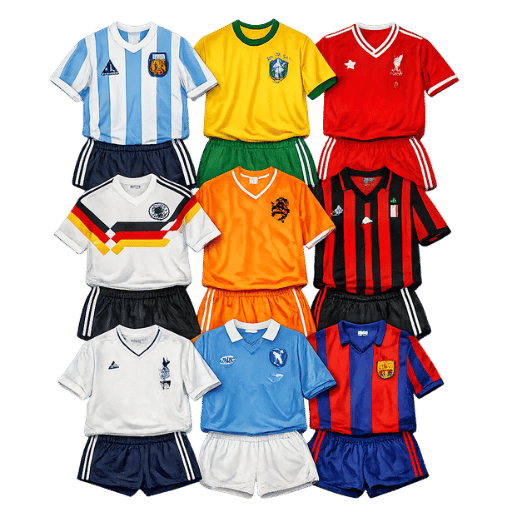
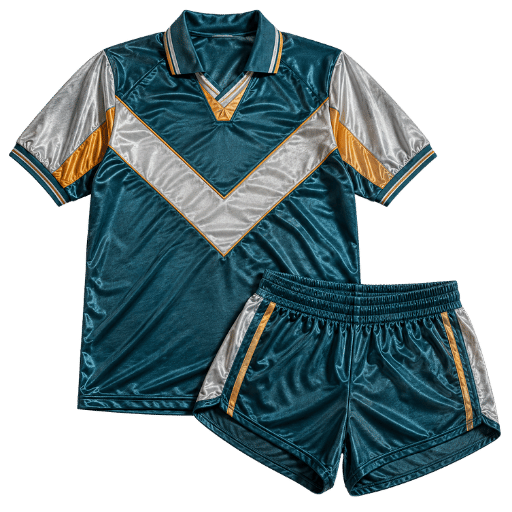
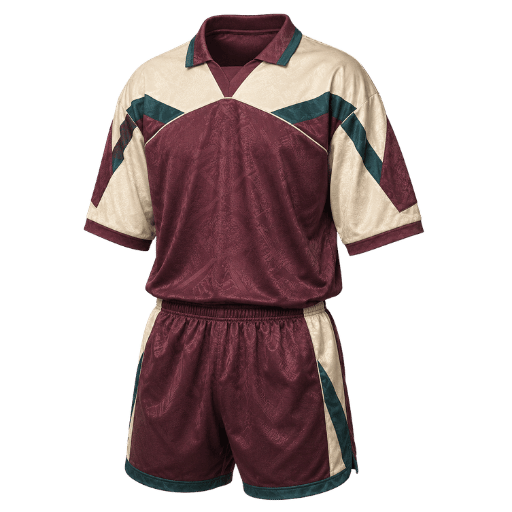
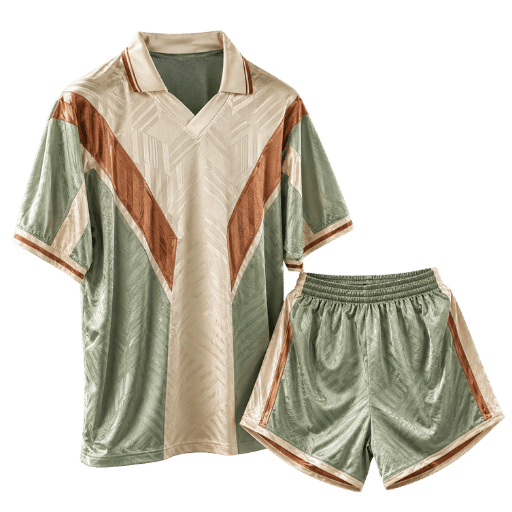
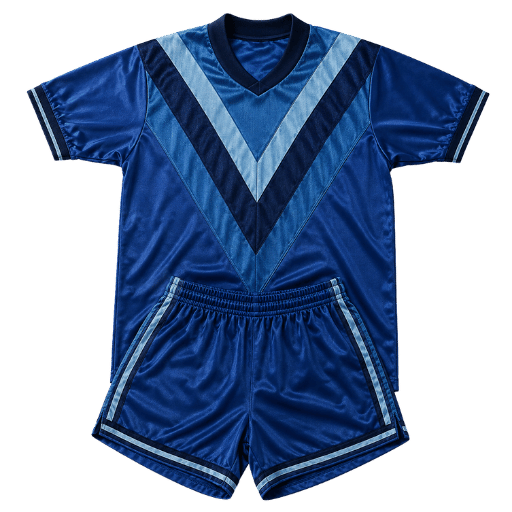
Still searching for your perfect jersey? Explore our best-selling products—we're confident you'll find a style that's just right for you in our diverse collection.
Updated June 2026 · Reviewed by the Classic Football Shirts team
This 1980s football shirt collectibility guide is our definitive guide to classic football shirts from a single decade — an ultimate guide to valuing, authenticating and grading an 80s shirt, telling a true original from a reissue or a fake, and knowing which kits collectors actually chase. Those years sit bang in the middle of the vintage market, mostly because they were the first full decade of mass-sold replica shirts and loud maker-and-sponsor graphics. Real survivors, though, are proving notoriously scarce, which is why prices keep climbing.
The short answer: A 1980s football shirt’s value comes from five things — rarity, club or player association, condition, authenticity and provenance. Iconic originals in good condition typically trade from about £40 to £1,000+, while a single match-worn piece such as Diego Maradona’s 1986 “Hand of God” shirt set the all-time record at £7,142,500. Before you pay original prices, confirm the shirt is not a later reissue.
Quick Specs: 1980s Shirts at a Glance
Era covered
1980–1989
Defining makers
adidas, Hummel, Le Coq Sportif, Umbro, Diadora, Admiral
Typical value range
~£40 to £1,000+ (match-worn pieces far higher)
Top value drivers
Rarity · condition · authenticity · provenance
Biggest buyer risk
Paying original prices for a 1990s+ reissue or a fake
Why 1980s Football Shirts Became Collectors’ Gold
From a structural angle, the 1980s is the foundational decade of classic football shirt collecting. Replica shirts only became a retail product in the 1970s — Admiral signed a £7,000 supplier deal with Leeds United in 1973, according to The Guardian’s account of how classic kits became works of art. By the 1980s that trade had matured and the shirt itself had become a canvas, a real turning point in kit history.
What collectors prize is that leap in design. Bold, vibrant patterns — the Netherlands’ geometric Euro ’88 shirt, West Germany’s 1990 chevron — moved kits away from plain colour panels and, as kit historian Neal Heard puts it, “kickstarted the streetwear approach.” Hummel’s 1986 “Danish Dynamite” shirt was more than an ode to its team; it was a statement. This is the decade graphics arrived, and that design DNA is what separates an 80s shirt from a 70s one. Owning one is owning a piece of football history — the same pull that later drew fans of Premier League era icons like Eric Cantona, and modern stars such as Lionel Messi, toward building a shirt collection of their own.
But the catch — and the value engine — is supply. This decade pre-dates mass replica production (Manchester United alone now makes around three million a year) and the digital photo record. Far fewer shirts were made than today, and far fewer survived four decades of play, washing and the laundry pile, so genuine wearable originals are a fixed, shrinking pool while demand keeps widening into mainstream fashion. Today the market for classic football shirts is worth millions: specialist retailer Classic Football Shirts stocks roughly 300,000 vintage kits a year and reported 25% sales growth in recent accounts. As the whole culture of kits goes mainstream, every enthusiast is chasing the same shrinking supply — and the price of that rarity only climbs. One real risk of waiting stands out: hesitate and the best survivors disappear into collections first, often for good.
⚠️Common myth: “Older always means more valuable.” Not in this market. A mint, correctly attributed 1988 shirt routinely beats a tired, faded 1982 one. Age sets the stage; condition and authenticity decide the price.
Key takeaway: collect the 1980s for both its breakthrough design and plain scarcity. Survivors fall away year by year, and with fans and collectors still arriving — many charting the milestones of 80s design as they go — collecting vintage football shirts has gone mainstream. Is shirt-collecting here to stay? On current evidence, yes.
What Makes a 1980s Shirt Valuable: The 5-Factor Value Pyramid
Five factors set the price of a 1980s football shirt, in this order of weight: rarity, club or player association, condition, authenticity and provenance. We call this the 1980s Shirt Value Pyramid, and it lets you rank any shirt before money changes hands. Any shirt that ticks every box is genuinely rare; most score on two or three, and that is where realistic pricing lives.
The 1980s Shirt Value Pyramid: the 5 factors that set what an 80s shirt is worth, ranked by weight.
Factor
What it means
Why it moves price
1. Rarity
Low original print run; short-lived sponsor; one-season design
Fixed, shrinking supply — the core scarcity driver
2. Club / player
Iconic club, legendary player, or a famous match/tournament
A fake or reissue is worth a fraction, regardless of looks
5. Provenance
Proof of who wore it / where it came from
Match-worn provenance multiplies value enormously
Framework: Classic Football Shirts team synthesis of collector-market practice.
Provenance is where the ceiling disappears. An off-the-shelf retail replica of Argentina’s 1986 shirt is an affordable collectible; the actual shirt Maradona wore for the “Hand of God” goal sold for £7,142,500 — recognised by Guinness World Records as the most expensive football shirt ever sold at auction. Same design, same year — provenance is the entire difference. That same logic runs at smaller scale today: match-worn modern shirts such as Cole Palmer’s four-goal jersey (£34,000) trade far above any retail version.
Key takeaway: Score a shirt on all five Pyramid factors before you value it. Two strong factors make a solid collectible; provenance is the one factor with no upper limit.
The Most Collectible 1980s Shirts: A Tier List
So which 80s shirts should you actually chase? Our 1980s Collectibility Tier List below sorts defining, iconic pieces into S to C tiers by demand and stylish design significance. These ranges are typical collector-market figures for genuine retail originals in good condition; they shift with condition and exclude match-worn pieces, which sit in their own league.
1980s football shirt collectibility tier list: 10 defining kits ranked S–C with typical value ranges for genuine originals in good condition.
Tier
Shirt
Maker
Why it’s iconic
Typical range*
S
Argentina 1986 home
Le Coq Sportif
Maradona’s World Cup; the era’s defining shirt
£300–£800+
S
Denmark 1986 “Danish Dynamite”
Hummel
Half-and-half pinstripe; the cult 80s design
£200–£600
A
Netherlands 1988
adidas
Euro ’88 geometric pattern; Gullit/Van Basten
£150–£450
A
West Germany 1988–90
adidas
Black-red-gold chevron; Italia ’90 winners
£150–£400
A
Brazil 1982
Topper
The romantic Sócrates/Zico side
£150–£400
B
Liverpool 1982 (Crown Paints)
Umbro
Dominant club era; early shirt sponsorship
£120–£350
B
Juventus 1984–85
—
Platini era; Serie A’s design pedigree
£120–£300
B
England 1982
Admiral
Admiral’s classic shadow-stripe World Cup kit
£100–£300
C
AC Milan late 1980s
—
Gullit/Van Basten/Rijkaard side
£80–£250
C
Mexico 1986 home
adidas
Host-nation World Cup green classic
£80–£200
Indicative collector-markt prices for authentic originals in a good condition. Prices are subject to change depending on condition, size and seller. Match worn items aren’t considered here.
Notice the pattern: World Cup and tournament shirts dominate the top, because a global event multiplies both story and demand. A shirt’s standing in the retro kit rankings tends to track its tournament fame, and the same names recur across most lists of collectible retro football shirts. On a tight budget, the C tier is where genuine 80s design stays affordable — and where condition upgrades pay off fastest.
A worked example of how grade moves a tier: in practice, condition decides how far inside a band you actually pay. A Denmark 1986 ‘Danish Dynamite’ at Grade 9 trades near the top of its £200–£600 range, while an identical shirt at Grade 5 — with sponsor cracking and visible fade — often sits closer to £250. That is a swing of roughly 50% on an identical design, which is why the tier tells you the ceiling but the grade tells you the price.
“Vintage shirts are more desirable the further they travel from their home crowd, in space and time.”
Key takeaway: Chase tournament and legend-linked shirts for prestige; target the B–C tiers for accessible, genuine 80s design.
How to Authenticate a 1980s Shirt: Fakes vs Reissues
Authenticating a 1980s shirt comes down to four checks, run in order: the maker-and-sponsor timeline for that exact season, the print method, the tags and wash-care labels, and finally the fabric weight. Get the timeline right first, because most reissues and fakes fail there, then work down the list. In practice, each check below becomes a quick, repeatable test you can apply in the field — at a market stall or in an online listing.
How can you tell if a 1980s football shirt is genuine?
To tell a genuine 1980s original from a reissue or a fake, start with the maker-and-sponsor timeline: for any shirt made before 2000, the clearest single tell is whether that exact logo-and-sponsor combination actually ran in the season claimed. Counterfeiters and casual reissues routinely pair a manufacturer with a sponsor that never appeared together.
After the timeline, look at how the sponsor was applied. A genuine 80s sponsor is a single-screen flock or print in period fonts, not the sharp modern heat-press you see on fakes. To identify authentic examples, a few minutes on these details help verify the shirt before any money moves.
Authenticity matters because the counterfeit trade is large and active. Since January 2025, operations led by the City of London Police Intellectual Property Crime Unit have seized 67,573 fake football shirts and kits worth £5.1 million at genuine-retail value, with seven people arrested; the UK Intellectual Property Office has run similar crackdowns for years. This is not a new problem: in one two-month spell Border Force intercepted around 4,000 fake shirts at Heathrow, where buyers had paid roughly £20 for shirts that should have retailed at £40–50, and the IPO’s own consumer research into counterfeit goods tracks how convincingly fakes are now priced. Most of that volume is modern counterfeit, but the same tells apply when you vet a vintage listing.
The Original-or-Reissue Flowchart
Does the maker + sponsor combination match that exact season? No → stop (reissue or fake).
Is the sponsor a single-screen flock/print with period fonts, not a crisp modern heat-press? No → likely reissue/fake.
Do the neck tag and wash-care label use period-correct typography and washing symbols? No → investigate.
Does the fabric feel like heavier 80s polyester/cotton, not thin modern moisture-wicking mesh? No → likely a recent reissue.
All four pass → probable genuine original. Ask the seller for close-ups of tags, badge and sponsor stitching before paying original prices.
⚠️Reissue ≠ fake: Official retro reissues (for example, brands that licence old designs without the original maker’s logo) are legitimate products — they are simply not 1980s originals and should not cost original-shirt money. The mistake that costs beginners most is paying genuine-original prices for an unmarked reissue. PIPCU’s own counterfeit tells are useful here: a generic swing tag, pen marks on the care label, and weak stitching around the neckline and badge.
Some quality checks echo what experts and global collectors look for: authentic shirts show sharp, consistent embroidery, while counterfeits often misjudge print size and stitch density on sponsors, badges and sleeve detailing. Match-worn or chip-tracked shirts from reputable retailers now carry digital provenance records, which removes most of the guesswork at the top end.
Key takeaway: Run the maker-sponsor timeline check first; if it fails, nothing else matters. Treat reissues as honest products priced accordingly, not as originals.
Condition Grading: The Scale Collectors Use
Used shirts are graded on a 10-point scale that most collectors and specialist retailers recognise, and knowing it stops you over-paying. Most of the trade runs one convention: Mint (10), Excellent (9–8), Very Good (7–6), Good (5) and Fair (4–3), with BNWT (Brand New With Tags) and deadstock sitting above Mint as unworn examples. Grading is partly subjective, so always inspect the photos, not just the label.
1980s shirt condition grading scale and its rough impact on price versus a mint example.
Grade
What you’ll see
Rough % of mint value
BNWT / Deadstock
Unworn, original tags attached
100%+ (premium)
Mint (10)
Exceptional; no visible wear
100%
Excellent (9–8)
Light wear, minimal bobbling
~75–90%
Very Good (7–6)
Noticeable wear, slight fade/bobbling
~55–70%
Good (5)
Clear wear, fading or sponsor cracking
~40–50%
Fair (4–3)
Heavy wear, marks or small repairs
~20–35%
Convention used by specialist retailers, prices shown are guides and will differ between shirt types.
📐 Collector’s Note — what actually gets scored:
On a 40-year-old shirt, three faults move the grade most: UV fade (sun-bleached panels, especially reds and blues) — which textile conservators at the GW Textile Museum rate as the leading cause of fabric deterioration — plus bobbling and pilling on high-friction areas such as the sleeve seams, and sponsor cracking, where flocked or printed lettering flakes and splits. None can be reversed, so they are priced in permanently. One small, stable flaw on an otherwise excellent shirt is far better value than a clean-looking shirt with cracking sponsor lettering.
This is where buyers lose money. Collectors regularly misread the scale and over-pay for a “Good (5)” expecting something close to “Excellent.” Read the grade as a number first, then the photos — a Grade 5 is, by definition, roughly half of mint.
Worked example: an Excellent (8) Netherlands 1988 might be listed around £380, but the same shirt graded Good (5) — light fade and early sponsor cracking — typically lands near £200, roughly half. In practice, two grades of separation on the same kit can equal the price of a second shirt, so the grade number deserves more attention than the headline word beside it.
Key takeaway: Translate the grade into a percentage of mint value before bidding, and weight permanent faults (fade, cracking) more heavily than the headline word.
Vintage Sizing: Why 1980s Shirts Fit Differently
Do vintage football shirts run small or large?
1980s shirts generally fit differently from modern ones, and the printed size label is unreliable — measure, don’t trust the tag. First, 80s cuts were boxier and shorter than today’s tapered shirts, so a vintage “Large” feels wide but short compared to modern cuts. Second, vintage label sizing was inconsistent between makers and countries, so a shirt marked one size can wear a size up or down. Your fix: ignore the label and use the pit-to-pit measurement.
Lay the shirt flat, fasten any buttons, and measure straight across from one armpit seam to the other. Double that number for the full chest circumference, then compare it to a modern shirt you already own and like. This single measurement beats any size letter, because it’s the actual garment, not a 40-year-old label’s intention.
A concrete example: in practice, a vintage shirt labelled “Large” might measure 56 cm pit-to-pit – a 112 cm chest – yet sit two to three centimetres shorter in the body than a modern Large at 54 cm pit-to-pit. That application of one tape measure is why two shirts marked the same letter can wear a full size apart, and why you ask the seller for the flat pit-to-pit figure in centimetres before you buy. Cuts have also shifted over time, so a vintage fit feels different again from a modern one — see how silhouettes changed in our look at the England Euro ’96 vs 2024 shirt.
💡Real-world tell: Buyers regularly report receiving a vintage shirt whose collar tag reads a different size than the listing implied — one collector found a shirt listed at one size that was effectively another entirely. Always ask the seller for the flat pit-to-pit measurement in centimetres before buying, especially online.
Key takeaway: Buy by pit-to-pit measurement, not by the printed size; expect 80s shirts to be wider and shorter than modern cuts.
Where to Find Authentic 1980s Shirts
Where you buy changes both your price and your risk. The safest channels cost more but vet authenticity; the cheapest channels put the entire authentication burden on you. Match each channel to how confident you are at spotting a genuine 80s original. Online marketplaces carry the most risk: Border Force has warned online shoppers after intercepting thousands of fake shirts bought over the internet, where buyers paid around £20 for kits that should have retailed at £40–50.
Where to buy a 1980s football shirt: price vs authentication risk by channel.
Channel
Typical price
Authentication risk
Best for
Specialist retailers
Higher
Low — curated & graded
Beginners; high-value buys
Auction houses
Variable / high
Low for provenanced lots
Match-worn & rare pieces
eBay / Depop / Vinted
Lower–mid
Medium–high — you vet
Confident buyers hunting bargains
Car-boot / charity / markets
Lowest
Highest — no recourse
Experts & lucky finds
Here is a scenario that makes the trade-off concrete. A first-time buyer spots a “1986 Denmark” shirt at a market stall for £25 and a graded original from a specialist retailer for £220. The £25 shirt has no maker-sponsor verification, no return, and a real chance of being a later reissue; that £220 shirt is graded, photographed and returnable. For a beginner, the £220 is usually the cheaper mistake to avoid. As confidence grows the cheaper channels become viable — but only once the Original-or-Reissue Flowchart is second nature.
If you want a vetted starting point to build a collection, browse and shop authentic vintage stock in this curated range of vintage and retro soccer jerseys where each shirt is graded and described, or explore individual player jerseys such as Dennis Bergkamp for the club-and-legend association the Value Pyramid rewards.
Key takeaway: Beginners should pay the curation premium; only move to car-boots and unvetted marketplaces once you can authenticate quickly yourself.
Caring For & Storing a 40-Year-Old Shirt
Once you actually own a genuine shirt from the 80s, sloppy washing and storage will do more to kill the value faster than anything else. Materials – flocked sponsors, printed numbers, heavy vintage poly – were way more delicate than modern kit and the damage is usually irreversible. Treat your shirt like a textile artefact, not like the actual sports jersey it probably never was. Conservators back this up: The George Washington University’s Textile Museum rates light — UV especially — as the single greatest threat to any textile, and recommends a stable 65–70°F at 40–50% relative humidity, with prized pieces rested in dark storage rather than displayed all year.
Wash cold, by hand, and only when it’s strictly necessary. Absolutely never tumble-dry.
Turn the thing inside out and don’t get heat anywhere near sponsor flock (ironing, radiator, hot car interior).
Store folded away inside acid-free tissue, out of sunlight, to keep UV fade from ruining the flock print.
Don’t leave it on a hanger long-term: the weight tends to stretch shoulders out while deforming the heavy flock.
Avoid humidity; damp conditions will breed mildew within a cotton-blend shirt in storage.
⚠️The avoidable value-killer: Machine-washing a flocked or printed sponsor is the single most common way collectors wreck an original — the heat and agitation crack and lift the lettering, dropping a shirt several grades in one cycle. If in doubt, don’t wash it.
Put a number on the risk: in practice, one careless cycle can undo decades of careful ownership. Machine-wash a flocked sponsor once and a Grade 9 piece (say £500) can slide to Grade 5 (around £250) — a 50% loss in a single 30 min wash, with no way back. Applied to a top-tier original, that one mistake is the most expensive five minutes in collecting.
Key takeaway: Stick to cold hand-washing where feasible and store flat, folded, away from light and heat — and never put a sponsored shirt through the machine.
Is Collecting 1980s Shirts a Good Investment? (2026 Outlook)
Here is the load-bearing judgement for 2026: 1980s shirts are the scarcest tier of a booming market, and that scarcity — not any headline growth figure — should drive your timing and budget. Because the decade pre-dates both mass replica production and the digital photo record, the pool of genuine, verifiable survivors can only shrink while demand keeps broadening. When supply is fixed and demand rises, the best examples get harder to find first.
Demand is visibly widening. Classic Football Shirts has opened stores in Miami, New York and Los Angeles and reported about 25% sales growth, with the trade gearing up for the 2026 World Cup. Rising counterfeit volumes — that £5.1 million in fakes seized in 2025 — make verified, curated originals more valuable over time, because authentication is the bottleneck. Those numbers are real: the EUIPO and OECD put global trade in counterfeit goods at around USD 467 billion, with clothing among the most-faked categories, and a separate EUIPO study puts the cost to the EU clothing industry alone at about €12 billion a year. UK consumer research from the Intellectual Property Office tracks how convincingly fakes are now priced against the genuine article. This is now a multi-million-pound market that has climbed steadily over the past ten years. (For rough context, one report sizes the broader football shirt market at about USD 7.21 billion in 2026; treat that as directional background only.)
So what should you do in 2026? Prioritise condition and authenticity over chasing the rarest name — a mint, verified A-tier shirt is a more dependable hold than a tired, questionable S-tier one. This is the Condition-Over-Rarity Principle: in a finite-supply market, the cleanest authenticated example in a tier tends to outperform a damaged rarer one. What ultimately makes a shirt worth holding, and what motivates collectors to keep buying, is verifiable quality — so buy to keep, not to flip. Collectors consistently find that reselling vintage shirts back to large retailers yields well below purchase price, so short-term trading rarely pays.
Key takeaway: Treat 80s shirts as a scarcity play, not a market-growth bet — buy the best condition and provenance you can verify, and hold.
Frequently Asked Questions
Q: Are 1980s football shirts worth collecting?
View Answer
Yes — the 1980s is the foundational era of collectible football shirts, pairing breakthrough design with genuine scarcity. Far fewer were made and survived than today, so genuine originals are a shrinking pool against rising demand. Good ones run from about £40 to £1,000+.
Q: How do I find the value of a 1980s football shirt?
View Answer
Score it on the five Value Pyramid factors — rarity, club or player association, condition, authenticity and provenance. Then check completed sales of the same shirt in the same grade on specialist retailers and in auction archives, which show what buyers actually paid. Adjust for condition using the 10-point grade, where a Grade 5 is roughly half of mint value, and confirm it is a genuine original rather than a later reissue before you trust any price quoted online.
Q: What football shirts were popular in the 1980s?
View Answer
Standout kits include Argentina’s 1986 World Cup shirt worn by Maradona, Denmark’s 1986 Hummel “Danish Dynamite,” the Netherlands’ geometric Euro ’88 shirt, West Germany’s 1988–90 adidas chevron, and Brazil 1982. Club classics are heavily collected too — Liverpool’s early-80s Crown Paints kit and Serie A designs from Juventus and AC Milan among them.
Q: What is the rarest 1980s football shirt?
View Answer
Match-worn pieces are the rarest of all, far scarcer than any retail replica. The clear standout is Maradona’s 1986 “Hand of God” shirt, which sold for £7,142,500 — the record for any football shirt at auction, and far beyond any retail original.
Q: How can you tell if a 1980s shirt is genuine or a reissue?
View Answer
Start with the maker-and-sponsor timeline and check whether that exact logo-and-sponsor pairing actually ran in the season claimed, because that is where most fakes and casual reissues come apart. Then confirm the sponsor is a period single-screen flock or print rather than a sharp modern heat-press, and that the neck tag, wash-care symbols and fabric weight are all period-correct. An official retro reissue is a legitimate product, but it is not a 1980s original and should never cost original-shirt money.
Q: What’s the difference between an original, a reissue and a replica?
View Answer
An original is a shirt produced and sold during the 1980s — a retail replica of the day or a player-issue/match-worn version. A reissue is a modern, often licensed reproduction of an old design, not a period piece. A replica is a retail fan version, which can itself be a genuine 80s original or a later reproduction. A counterfeit is an illegal copy with no collectible value: match-worn beats player-issue beats retail original beats reissue beats counterfeit.
Start your 1980s collection the safe way
Browse graded and authenticated vintage originals. Each with condition and details so you know what you’re buying.
This 1980s collectibility guide was written by the Classic Football Shirts team, using the authentication, grading and curation methods we apply to vintage shirts every day, plus public auction records and UK law-enforcement counterfeit data. The Value Pyramid, Tier List and Original-or-Reissue Flowchart are our own frameworks, built to help collectors evaluate 80s shirts with confidence. Reviewed by the Classic Football Shirts team.
I write about football jersey fit and when different shirt styles make sense. My articles cover youth goalkeeper sizing and long-sleeve jerseys, helping players and families think through comfort, movement, weather, and the role of the shirt before they buy.