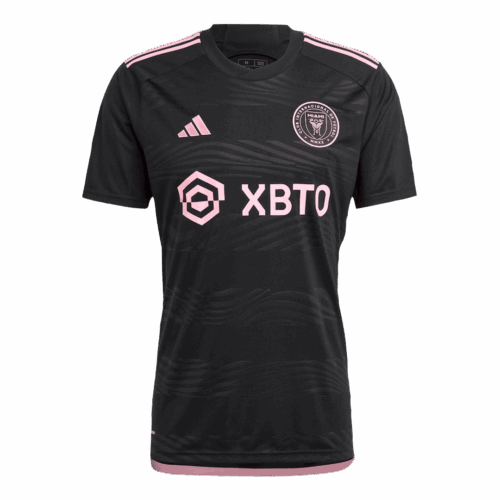
Still searching for your perfect jersey? Explore our best-selling products—we're confident you'll find a style that's just right for you in our diverse collection.
The crest of Newcastle United is not just a mere representation; it is an impressive mixture of the past, culture and character that links the supporters to the club they love. Every feature of the badge speaks about the city’s ancient traditions and through the magnificent seahorses that illustrate this heritage, the complex changes of the insignia over the years, and so on. This writing brings to light the captivating history behind the emblem of Newcastle United, revealing the significance of its design and the changes it has gone through in order to be in keep with the club’s legacy. If you are a loyal fan or just a passerby who is curious, come with us and get to know the meaning of this legendary crest and its lasting place in the history of football.
Introduction to Newcastle United and Its Crest
Introduction to Newcastle United and Its Crest
Historical Context of Newcastle United
Newcastle United Football Club was established in 1892 in the city of Newcastle upon Tyne, located in Northeast England. The club was the result of the merger of two local teams – Newcastle East End and Newcastle West End – and the new name was meant to signify their combined appeal to fans throughout the city. From the start, Newcastle United was able to quickly establish itself as one of the leading clubs in the English football world, gaining a large fan base and eventually the sporting world’s recognition.
By the start of the 20th century, Newcastle United had become a top team, winning the First Division title three times in the period of 1905-1909. The team also triumphed in the domestic cups, thus picking up a series of FA Cup wins in the subsequent years. The early years of the 1900s marked ‘the rise of Newcastle’ when it became one of the most famous and respected teams in the history of English football.
Newcastle United throughout its existence has been characterized by its fierce supporters, who consider the club an important part of the region’s culture. The team’s coat of arms, colors, and playing ground are synonymous with the local community’s identity and pride. Even though the club has experienced ups and downs in its sporting performance, it still continues to be an integral part of the football legacy, with its history intertwined with the acts of glory, the struggles, and the everlasting devotion of its supporters.
Origins of the Newcastle United Crest
The origins of the Newcastle United crest are characterized by the cultural and historical symbols of the city of Newcastle upon Tyne. The crest highlights elements that depict the city’s nautical past and its relationship with the River Tyne. The castle keep, which is the iconic fortification in the center of the crest, is a reminder of Newcastle’s Norman roots and is often referred to as a symbol of power and indomitable spirit. This implies that the club’s persona is highly interlinked with the city’s past and its imposing constructions.
The Newcastle United crest’s other remarkable aspect is the pair of seahorses that stand beside the badge. Legendary animals stand for Newcastle’s maritime importance and the city’s being tied to trade and exploration by sea over the years. The seahorses are indeed a great reminder of the city’s coastal location and the ever-blooming shipbuilding industry which was one of the main factors in its development.
The Newcastle United crest has the design that, through its thoughtful incorporation of these iconic symbols, establishes a strong connection between the football team and the community it represents. This crest not only symbolizes but also mirrors the city’s history, culture, and values and therefore it is a source of pride and honor for the club and its fans. Regardless of the changes in styles and tastes over the years the crest has always kept the foundational elements demonstrating the unchanging significance of Newcastle’s heritage in forming the team’s identity.
Overview of the Initial Crest Design
The first crest design of Newcastle United was a clear indication of the city’s ties and the cultural richness of the city. It had a strong presence of the castle motif which was the castle Newcastle which was the city’s namesake, thereby giving the city a landmark that symbolizes its strength and resilience. This design choice not only established a strong visual identity for the team but also connected it to its roots and the community it represents.
Another important feature of the early crest was the use of classical heraldic symbols with lions as a demonstration of the team’s competitive spirit and dedication to the highest quality on the field through the incorporation of such elements. The simplicity of the color choice yet its profound impact, was a great advantage to the team as it was easily recognized and had a strong appeal not only to the fans but also to the supporters.
By embedding the values of tradition, pride, and identity in the initial crest design, Newcastle United created the scenario for a long-lasting relationship between the club and the fans. The crest, although it has been changed many times over the years, has remained a classic image of both the city and the football club because of the embedding of the foundational elements in the original design.
Evolution of the Newcastle United Crest
Evolution of the Newcastle United Crest
Key Design Updates Throughout History
The Newcastle United crest has changed several times over the years, reflecting the club’s progress, values, and modernity but at the same time keeping the links to its past. The very first crest used by the club in the late 19th century showed the city’s coat of arms, which was a clear sign of the strong bond between the football club and the local community. Thus the design of the crest brought together the ideas of heritage and unity, both of which were important for the club’s identity in the early years of its existence.
By the 50s, the crest had already undergone progressive simplification aimed at improving its clarity and recognizability. Some of the main elements, like the castle and the seahorses symbolizing Newcastle’s coastal trade, were left in the design so that it still could be associated with the city. The design changes not only served to a larger fan base but also kept the logo functional for branding and merchandising.
The biggest change took place in 1988, when the crest underwent a radical transformation. A clean and daring look was introduced with the use of energetic lines and a more modern vibe. Still, the crest retained its meaning in the form of black and white stripes that symbolized the club’s famous colors. This coexistence of tradition and modernity has allowed the Newcastle United crest to remain a classic symbol representing both the club and its faithful fans.
Historical Motivations Behind Design Changes
The design changes for the Newcastle United crest can be explained by historical reasons which were combining the club’s changing identity and the connection with its fans. The crest of the club has had different versions over the years to keep it a little bit of both worlds, that is, modern and traditional, so that it can still be heard loud and clear even by the younger generation, and at the same time not completely lose its heritage. The desire to keep the crest relevant was the driving force behind every redesign in the context of contemporary design standards and football culture.
The most extensive redesign in the year 1988 was to give the crest a very contemporary and active look. This change was prompted by the necessity to make the club’s identity congruent with the very professionalising football era, where branding and visual representation had started to play a much larger role. The migration to a more audacious and minimalistic design was indicative of Newcastle United’s ambitions while the continuing use of the black and white stripes hinted at their long-standing values and history.
Along with the changes came the club’s indication that it wanted to get even closer to the global audience and that it was ready to do so while still being very close to the local fanbase. The modernization of the crest was a manifestation of the club’s commitment to change without completely letting go of the past; hence, the emblem was able to attract both the old and the new supporters. The coexistence of the desire to keep the tradition highly respected and the push for innovative ways of expressing it has always been a characteristic of the crest’s changing design.
Notable Changes and Controversies
Over its inventive past, the club’s crest has been through a few significant changes, which quite frequently elicited passionate reactions from both the supporters and the media at large. One of the most famous changes took place in the early 21st century when the design was simplified to attract a larger audience as well as to keep in line with contemporary branding trends. The fans who liked the new cleaner and minimalistic look were in one corner while the others who were against the change coming from the traditional roots were in another corner thus the debate regarding how to balance the progress with the heritage kept going on.
Another design that provoked a discussion came when parts of the history that used to be directly connected with the club’s creation were either taken away or modified. The rationale behind this action was to make the badge more suitable for the digital world but, at the same time, the people who were long-time supporters of certain groups felt that they were being left out. The changes were like a spotlight on the marketing and technology issue that companies had been trying to solve for a long time – how to keep the historical symbolism while adapting to the changing world in terms of global marketing and technology.
Still, the club at times has tried to anticipate the responses and react to them through consultations with the fan base. In the past, the club has arranged open forums and conducted surveys during the different redesign campaigns that aimed at directly involving the fans in the process. This tactic though, has not entirely silenced the critics but rather illustrated the club’s compliance with giving recognition to supporters as important stakeholders. Eventually, the crest’s transformation mirrors the conflict lines of certain industries caught between the hub and spoke of being modern and not losing the core values that define.
Symbolism of Elements in the Crest
Symbolism of Elements in the Crest
Analysis of the Castle and Its Significance
The castle illustrated in the crest stands for power, toughness, and historical continuity. The crest usually carries the castellan of the region or city, thus it not only serves as a visual reminder of the organization’s roots but also of the traditions it aims to maintain. Castles have always been associated with strength and protection, traits that go along with the ideals of unity and perseverance, which are common to the club or institution the crest stands for.
In the past, castles have been considered a source of stability and rule, which the qualities of loyalty and pride among the fans resonate with the most. If a crest has a castle in it, that means the community and belongingness are highly regarded; because castles were places where people used to gather and were possibly the symbols of a common identity. The club’s connection to history and people is reinforced by emotional ties with its fans that are quite strong.
The representation of the castle in the crest is often done in such a way that the architectural details peculiar to the locality are highlighted, thus strengthening the bond between the community to which it belongs and the castle. The castle then becomes not just a decorative feature but also a significant symbol of common culture, history, and dreams. Besides, such symbols empower the fans to discover a feeling of unity as well as to promote the values of resilience and heritage through their celebrations.
The Seahorse: A Connection to Newcastle’s Heritage
The crest of Newcastle United contains a lot of symbolic value that is very much connected to the city’s history and identity. The crest, in the middle, displays two seahorses which are a reference to Newcastle’s sea-trade and sailing connection. This part of the crest illustrates the city’s long-lasting relationship with the sea, trade and maritime industries which have been the major factors in its developing culture and economy. Seahorses, being sea dwellers, are rightly used as symbols for Newcastle’s association with the River Tyne and its opening to the west for trade and fortune.
Moreover, the crest carries other symbols that also illuminate Newcastle’s character and pride. The castle, for example, that is in the design signifies the old Newcastle Castle, from which the city gets its name. This contribution accentuates the area’s plentiful historical story, connecting the past the current and the future. Along with the seahorses the castle element reinforces a feeling of unity and loyalty among supporters, acting as our badge of honor that links the club with the people around it.
In general, the Newcastle United crest is not just a symbol of the club; it is also a representation of the city’s heritage, strength, and mutual cultural values. It does so by uniting supporters around its rich historical and maritime connotations, creating a very strong feeling of belonging. This iconic design is probably the best way of expressing the local pride and the undying spirit of Newcastle, thus turning the crest into a much-loved sign for the supporters and a reminder of the city’s past.
The Lion and the Flag: The Power in Symbols
The Newcastle United crest is a symbol with multiple meanings; it is the very identity of the football club, and at the same time, it is a strong connection to the city of Newcastle. The crest incorporates various attributes such as power, tradition, and togetherness, thus adequately merging the history of the club with the cultural virtues of its fans. It plays the role of a symbol that brings people together, making them feel proud and part of the same group.
To start with, the lion, which is depicted on the crest, is a symbol of power and bravery that is recognized all over the world. In the case of the Newcastle United crest, it boosts the qualities of resistance and fight, which are the ones most often linked to the team and its supporters. Also, the lion is an indicator of the connections to the English heraldry in the past, thus making the crest even more rooted in the culture and history of the region.
The flag, on the other hand, signifies not only local pride but also local heritage, as it links the club’s identity to the maritime past of Newcastle upon Tyne. Moreover, the flag visually symbolizes the togetherness of the city; it is the common symbol that supports both the players and the fans. Therefore, through the inclusion of these elements, the Newcastle United crest offers more than just a logo—it serves as an incredible symbol of community, history, and the city’s never-ending spirit.
Impact of the Crest on Fan Identity
Impact of the Crest on Fan Identity
Fan Interaction with the Newcastle United Logo
The Newcastle United club crest is a very important symbol to the supporters, who identify with it and feel connected to the club very much. It stands for something much larger than just a football club—it signifies the history, the pride, and the togetherness of Newcastle upon Tyne. For a large number of fans, wearing or showing the crest is a method to signal their faithfulness, and their ties to the team and the community are further strengthened.
Moreover, the crest causes to be building up divisions among the fan base a bit more easily. Be it at matches, during social gatherings, or through online chats, the crest is always there and instantly ties the whole audience together. It is in fact an emblem that links everybody and consists of the Club’s love that is even stronger than the differences that are otherwise there. This common bond between the team and the supporters is made even stronger, and the interchange of care and commitment becomes even more pronounced.
The crest, due to its nature as a symbol, has no limits and goes beyond them, as in fan culture it is always present in rituals and traditions. The crest is at the center of many aspects of the fans’ identity; it has a lot of power and is deeply felt among the supporters, from standing in the memorials and decorating houses and public spaces so that the emblem can be seen to continue to be the fans’ thing. Through the crest, the spirit of the club claims its place in the fans’ hearts, and the passion and loyalty of Newcastle United fans are acknowledged through the crest.
Moments of Debate and Controversy Among Supporters
The Newcastle United fans’ disagreements and controversies are usually connected with decisions that directly affect the club’s values or identity. One of the most discussed topics has always been the ownership and management of the team. The grievances expressed by a large number of fans include the mismanagement, lack of ambition, or profit-oriented decisions, which are believed to be at the cost of the club’s competitive success. Moreover, these matters lead to a lot of passionate debates, with the protesters firmly upholding the voice of the club and its future.
Another popular cause of disputes between fans refers to the ongoing arguments around player transfers and squad investments. The supporters not only monitor but also criticize the signings or releases of the players, especially in cases of selling key players and not hiring new ones during the demanding times. The competitive squad that is a reflection of the historic past of Newcastle United is the main driver of these talks, with the fans holding their own strong opinions about what’s best for the club.
Last but not least, any changes in the club’s traditions or symbols, like modifications in the crest, kits, or even decisions related to the stadium, can lead to very strong reactions. For the fans, these elements are inseparably connected with their identity and pride, thus becoming very delicate issues. Even though dissent is a normal outcome, these discussions point to the love and loyalty that Newcastle United supporters have for their club, indicating how much they care about its present and future.
The Crest as a Symbol of Unity
The crest of Newcastle United is not only a design; it is a symbol of unity between the supporters of the club, the players, and the entire community. Incorporating elements that are connected to the city’s heritage and history, the crest embodies a collective identity that appeals to the different generations of fans. It is a reminder in visual form of the club’s traditions and achievements and, thus, the strengthening of the bond between supporters who come together because of a common emblem is to be expected.
This emblem’s power is in the attention it can call to a pride and a growing sense of belonging. The fans regard the crest as a marker of the team’s values, struggles, and victories throughout the years. The crest, whether on kits, flags, or any kind of memorabilia, is always there creating a very real connection between the people, thus making them one under the shared objective of supporting their club. The kindness that comes with such symbolism strengthens the already existing strong emotional relationship of the fans with Newcastle United.
The crest shows that even in the midst of the changes and disputes over the club’s character that it is a safe representation of continuity and shared purpose. The design may change but the significance it carries is what connects an assorted fan base and crosses generations. In the end, even though football clubs may change their branding or operations, the crest will continue to be a powerful symbol of loyalty, community, and unity for Newcastle United and its proud supporters.
Conclusion: The Modern-Day Significance of the Crest
Conclusion: The Modern-Day Significance of the Crest
Shaping the Identity of Newcastle United Supporters
Newcastle United’s crest is key in forming the identity of its fans by being a symbol that brings them together. It showcases a shared past, common pride, and the lively spirit of the area. The display or wearing of the crest by fans indicates their allegiance and ties to the team, thus creating a social atmosphere of shared identity among people of different origins and cultures.
In addition to being symbolic, the crest links the supporters to the club’s remarkable history. It is a reminder of the famous wins, the crucial times, and the team’s endurance through tough times. This strong bond between the fans and the team ensures that the crest becomes more than just a graphic symbol; it turns into a time marker for generations that connects past, present, and future fans in a never-ending story.
Moreover, the emblem has a big effect on the culture of the community of Newcastle United’s fans. The crest, no matter where it is—home games, away matches, or community events—always stands as a point of unity and purpose. Its constant presence not only strengthens the supporters’ identity but also grants them a tangible form of their collective love for the club and their integration into a lively and colorful fan culture.
The Crest’s Role in Club Culture and Legacy
The crest of Newcastle United is of paramount importance not only to the club’s culture but also to its fans, for it is a symbol of identity and a unifying emblem at the same time. It captures the history, heritage, and morals of the club, expressing its link with the city of Newcastle and the people of Newcastle. The crest presents nothing more than a picture to supporters; it is the pride of being a member of the community with a common interest in football that is, therefore, shared.
The crest has changed throughout the years to correspond with the club’s development and aspirations while at the same time remaining true to its roots. The significance of the changes in designs has often been such that traditional aspects, such as the coat of arms of the city, are mixed with modern elements to come up with a design that can be communicated with and understood across generations. Older fans’ loyalty is not just maintained but also newer supporters’ attraction is created by the updates showing a perfect balance between tradition and change.
In the end, the crest’s function is much more than being a simple visual identifier. It creates a feeling of belonging among fans; it enhances their emotional bond with the club. It is a constant reminder of the common spirit that characterizes both players and supporters. The crest, whether on flags, jerseys, or memorabilia, is a symbol of unity, passion, and commitment to the Newcastle United legacy.
Why the Newcastle United Crest Remains Loved
The Newcastle United crest remains loved since it is a powerful sign of the club’s spirit and past. Its design incorporates significant factors that are very near to the heart of the fans, thus exposing the club’s cultural and regional heritage. The castle and the seahorses represented on the crest symbolize Newcastle’s flourishing maritime past and the city’s close bond, which creates pride among the followers.
Moreover, the crest represents togetherness and a common love for the team. It becomes a point where fans, players, and the entire community come together, and it connects the different generations with the club through common love. It doesn’t matter if it is the crest on jerseys, flags, or any other memorabilia, it always triggers the feelings of loyalty and belonging that are above the game.
To sum it up, the Newcastle United crest conveys values like pride, persistence, and commitment—traits that are very much in line with the supporters’ behavior on and off the pitch. The crest’s persistent popularity is a reflection of more than just its visual appeal; it signifies the irrepressible spirit and the unwavering dedication of the Newcastle United community, thus making it a cherished symbol for many more years to come.
Frequently Asked Questions (FAQ)
Q: What does the Newcastle United club crest stand for?
A: The Newcastle United club crest stands for a lot, since its symbolism is very rich and it reflects the club’s history and identity. The current badge, which displays the traditional black and white colors, not only denotes the club’s nickname “the Magpies” but also takes from the castle and the gold lion which highlight the city’s maritime past and link it to the city’s Latin motto “fortiter defendit triumphans” meaning “triumphing by the brave.”
Q: What changes has the Newcastle United badge undergone so far?
A: The Newcastle United badge has undergone many modifications in the course of time, and the most drastic change happened when the club was created in 1892 by merging the Newcastle East End and Newcastle West End teams. The 1988 design was a very creative one, as it introduced a modern branding technique while still using some of the heraldic features that symbolized the club’s glorious past.
Q: What does the present Newcastle United club crest comprise?
A: The present Newcastle United club crest includes a fortified castle, a lion made of gold, and a classic magpie. The central part of the shield displays the banner of Saint George, letting people know that there is a link between the club and the area of Newcastle upon Tyne. Every component of the crest has a very detailed design which not only honors the club’s maritime background but also the local culture.
Q: What is the “fortiter defendit triumphans” motto essentially?
A: The “fortiter defendit triumphans” motto, which is interpreted as “triumphing by the brave,” is the very essence of Newcastle United’s morale and grit. It conveys the club’s spirit of toughness and valiance which in turn encourages the players and the supporters to confront hardships with a strong resolve, a shared feeling that has been there from the beginning of Newcastle United’s badge.
Q: What year was the first badge with club-specific features made?
A: The first badge with club-specific design for Newcastle United was designed in 1988 making it a very important milestone for the club’s branding. This pattern was to modernise the club’s image without losing its past, presenting a refreshed reading of the elements that are commonly associated with the club.
Q: Why is the magpie a significant icon for Newcastle United?
A: The magpie is a significant icon for Newcastle United because it is very much connected with the club’s name—that is, “the Magpies.” The bird is a symbol of faithfulness and cleverness and has become a very distinct aspect of the club’s persona, holding a significant place in the club’s emblem and being linked to the strong emotions of its fanbase.
Q: In what way does the slogan “the badge” tell about Newcastle United’s maritime heritage?
A: The badge tells about Newcastle United’s maritime heritage by including the castle and the gold lion whose presence is reminiscent of the city’s sailing history. The design features spotlight the club’s relationship with the River Tyne and its historical significance as a port city, thus accentuating the local culture and identity.
Q: What does the new badge signal about Newcastle United’s branding approach?
A: The new badge signals a strategy that aims at making the club’s image more contemporary without losing sight of the past. The blending of modern design features with the retention of traditional symbols says that Newcastle United is trying to win the hearts of both old and new fans and by doing so, the club’s identity will remain significant in the present-day football world.
Q: What does the addition of George’s Cross in the crest do to its importance?
A: The addition of George’s Cross in the crest has a positive effect on its importance since it connects the club with the British heritage and bravery. This characteristic denotes the courage that comes with Saint George, thereby linking it to the club’s slogan and the concept of struggle for victory on the field, thus being a potent portrayal of Newcastle United’s fighting spirit.
I write about football shirts associated with well-known players and national teams. My articles discuss Ryan Giggs's Manchester United kits and Roy Keane's Ireland jersey, connecting the garment to the moments and supporters that made it memorable.