Still searching for your perfect jersey? Explore our best-selling products—we're confident you'll find a style that's just right for you in our diverse collection.
West Ham United’s lauded claret and blue attire is no less than a representation of the club’s glorious past and the faithfulness of its fans. Their jerseys with the team’s trademark colors have gone through numerous transformations over the years, reflecting the changes in fashion, design trends, and technology, yet they have always been a fundamental part of the team’s character. This piece throws a light on the past of West Ham United’s jerseys, and the journey of their change through generations, along with the impact they have created in the sports culture. From classic designs that never go out of style to daring modern patterns, become a part of the adventure as we reveal the histories of the jerseys with love and celebrate the unforgettable times in the field and outside the field over which they have been. This guide is meant to be informative no matter if you are a lifelong fan or simply a football lover wanting to know more about West Ham United’s kits’ iconic status and its history as well as influence.
Introduction to West Ham United Kits
Introduction to West Ham United Kits
Significance of West Ham United Jerseys in Football Culture
West Ham United jerseys are considered to be the very essence of football culture because of the club’s identity and the strong association that has existed for so long. The claret and blue colors have, through the decades, become synonymous with the pride and unity of players and fans alike. This fact alone makes these jerseys much more than just sportswear; they are the embodiment of traditions, community spirit, and the intense devotion that the West Ham supporters have for their team.
The evolution of the West Ham jersey’s design and the development of football have often coincided, bearing modern trends while keeping the heritage. The jerseys have gone from very simple early designs to the very technologically advanced and visually striking, thus tapping into both innovation and tradition equally. This marriage of the past with the present has not only made these items more significant in the context of football culture but has also made them widely recognizable throughout the sport.
In addition, West Ham United jerseys are not just a matter of the game; they’re a representation of the club’s far-reaching influence. They have been worn by great players, commemorated in important football events, and showered by fans as a sign of their unwavering loyalty. These jerseys have become a visual sign of West Ham’s struggle and legacy, and as such, their contribution to the epitome of football’s global recognition is very substantial.
Overview of Claret and Blue Colors
Claret and blue colors are closely associated with West Ham United and they are the club’s history symbol and identity. The colors embody the tradition and the resilience of the players and the passionate supporters as well. The adoption of this unique combination of claret and blue started in the early 1900s and has since become iconic in the football world, thus linking generations of fans through its instantly recognizable palette.
The claret and blue choice has a cultural and emotional aspect, as it not just reflects but also embodies the essence of community and camaraderie that West Ham United is made of. The times when these colors are the most visible are during the triumphant victories and also during the challenging matches when they remind the fans of their deep-rooted connection to the club. The true power of claret and blue is in the fact that it evokes feelings of pride and solidarity, which is why it unites people from all walks of life under one cause.
Different variations of claret and blue have been seen on West Ham jerseys over the years, and these changes in the colors have reflected the changes in the styles but have still kept the core identity. The colors have come a long way from humble beginnings to modern-day designs, but they remain the classic representation of the club’s past and future. For the West Ham United fans, claret and blue are more than just colors—they’re a mighty symbol of belonging and commitment.
The Impact of Kits on Fan Identity
Kits are of paramount importance in the fan identity formation process as they are the major medium through which emotional and visual affiliations between fans and their clubs are created. The club colors, the artistic styles, and the long-established or even new symbols associated with kits are the major factors that attract fans to these heart-throbbing—yet still silent—allegiances and pride storms. For instance, the wearing of the ‘claret and blue’ colors of West Ham United not only symbolizes the support for the team but it also, being visually the opposite of the rest, marks the community of friends (who love the club) on the street and thus the bond among the supporters gets even stronger.
Moreover, kits are links connecting a club’s past with its present. They pay homage to the existing but also changing stylistic influences by way of their creatively and constantly changing designs, and thus they manage to attract long-term as well as newly converted fans at the same time. This association with the club’s history amplifies the emotional tie the fans feel, because the kits not only represent personal memories but also come to stand for the larger tale of the team’s victories and defeats.
To sum up, kits enable fans to wear a common identity that does not recognize the boundaries laid down by geography and culture. When congregated at a stadium for a live match or when watching it on TV miles away, their wearing of the club’s colors makes the feeling of togetherness almost irresistible. This unified identity is an influential phenomenon that brings supporters closer to each other and at the same time, strengthens their loyalty to the club. For fans, the kit is more than just clothes—it is a representation of loyalty, pride, and the spirit of the community.
The History of West Ham United Kits
The History of West Ham United Kits
The Origins of the Claret and Blue Scheme
The claret and blue color scheme is the one now associated with West Ham United, and its origins can be traced back to the club’s early period in the late 19th and early 20th centuries. The team that was initially called Thames Ironworks started with a kit that was very plain and simple. But after their transformation into West Ham United in 1900, the club adopted the iconic claret and blue combination that soon gained prominence as the defining feature of their identity and still is so today.
There are various theories about the grounds for the switch to claret and blue, and one common idea was that the club got the idea from the kit of other clubs that had already adopted similar colors. Some theories suggest that the connection was made with Aston Villa while others wonder about the local influence being the case. It is difficult to ascertain the exact story, but it seems that at least the colors were at some point attributed to the friendships and exchanges of football’s most powerful people. The fact remains, however, that the use of these colors made West Ham United different from others thus creating a visual tradition that had a long reach and went well beyond the pitch.
The claret and blue scheme has had its share of reimagining in terms of kit designs throughout the years such as exhibiting creative patterns and different accents while still being true to the just two main colors. The unwaveringness of these colors symbolizes the club’s heritage and its strength, a quality that players and the supporters find it easy to identify with. Through the long-term color choice, West Ham United is reminding us of its past, but at the same time, it is making a connection that is as vibrant as its fans.
Evolution of Home and Away Kits
West Ham United’s home jerseys have always been marked by the claret and blue colors, a practice that originates from the early 1900s. The color combination symbolizes the club’s past and present, increasing the sense of pride all around—from actors to fans. The design of the home kits has evolved over the years, but the evolution has been slow and not very noticeable, since modern tailoring techniques and aesthetic updates are incorporated but the core claret and blue theme remains. This turning point of tradition and innovation leads to the kits being timely while memorializing the club’s past.
In contrast, the away kits have always been a way for the club to get more adventurous in terms of the variety of designs and colors used. In the past, the away shirts have been manufactured in a wider spectrum of colors that include white, yellow, black, and even blue in different shades. The said colors brighten up the home kits to a certain extent, thus allowing creativity that is however in line with the club’s principles. The colors in the away kits may be daring, but they still often whisper the iconic claret and blue subtly, thus linking themselves to the club’s identity.
The development of both the home and away kits indicates that West Ham United is determined to keep the balance between tradition and modernity. The club’s designers have been careful to honor its long history while also being influenced by the latest trends in the field of athletic apparel. This technique has been very effective in keeping the fans attached, considering that each kit not only represents an item of clothing but also a bearer of heritage—is deeply felt by its supporters. The journey of the jerseys is a reflection of the club’s wider ideology of connecting its rich history with its future aspirations.
Notable Changes in Kit Design Over the Years
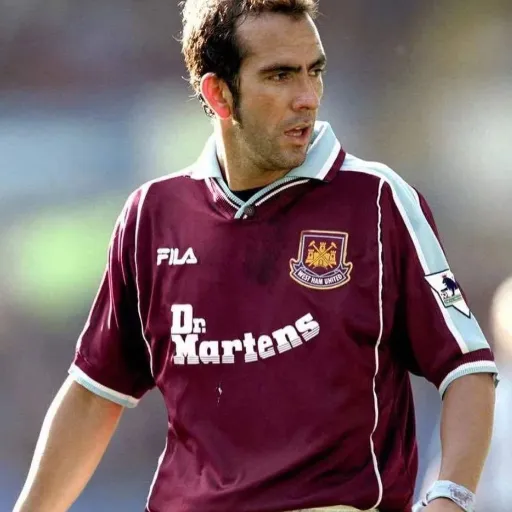
Over the years, West Ham United’s jerseys have gone through a myriad of changes, reflecting not only the shifts in fashion but also the progression of sportswear technology. One uncompromising feature among the club’s kits has been the color palette of claret and blue, which is still inseparably linked with West Ham United’s branding. Nevertheless, in the shadows of the shades of claret and blue, accompanied by mixing and matching of patterns and trims, the kits have always been new and interesting for the fans.
One of the most significant changes happened during the 1960s when a complete change in shirt styles took place that involved the use of cleaner cuts and lighter materials for easy movement of the players on the pitch. This was a complete break from the traditional use of heavy and bulky fabrics and moving to the innovative ways of materials designed with performance in mind. Gradually, the bold design features like dynamic stripes, embossed club logos and contrasting sleeves were introduced, which not only boosted the kits’ visual attraction but also their practicality.
West Ham’s jerseys have recently taken up designs with less to offer in terms of ornamentation while giving the club’s past a salute through mere hints of the once iconic designs. The use of moisture-wicking fabric and ergonomic fit technology has been introduced seamlessly to enhance the comfort and performance of the players. The transformation of designs serves both as evidence of the club’s determination to keep pace with changing times and also as the expression of the club’s loyalty to the unique identity that is deeply rooted in the rich history of the club.
Iconic Players and Their Jerseys
Iconic Players and Their Jerseys
Legendary Players and Their Signature Kits
West Ham United’s rich past is filled with legendary players who wore such jerseys that their impact has been felt by the fans and the football history alike. Not only are these jerseys as clothing but also the players’ commitment and the moments that shaped their careers are represented by them. The remembrance of the matches in which the icons of the club have played, the generations’ support of the fans, and the legend of the club—all are bound to the apparel each of these players wore.
One of the most important names in the club’s history is Bobby Moore, who is considered by many to be the best defender ever. The jersey of Moore, with its classic claret and blue colors, was a sign of his exceptional leadership and calmness on the field. He was a part of the England national team that won the World Cup in 1966 and that only enhanced his legacy. His West Ham kit is a very strong symbol of his presence at the club.
Another people’s choice is Trevor Brooking, whose jersey symbolizes his imagination and longevity as a team player. Brooking’s skills and talent for scoring very important goals made his kit characterized, especially during the FA Cup victories in the 1970s and 1980s. The people, the players, and the jerseys have all become West Ham United’s proud history that is still inspiring the players as well as the supporters today.
Memorable Matches and Kits Associated with Success
West Ham United has been the scene of many unforgettable matches and iconic kits that have become symbols of those historic days. One of the most talked-about incidents took place in 1965 when the team won the European Cup Winners’ Cup in a spectacular 2-0 triumph over 1860 Munich at Wembley Stadium. The players, clad in their traditional claret and blue kit, displayed their toughness and artistry, thus marking this kit in the minds of the fans forever.
The next occasion that left an indelible mark in history was the 1980 FA Cup Final when the Hammers, a Second Division side, triumphed over Arsenal 1-0. The victorious goal came from Sir Trevor Brooking who scored with a very well-executed header that has since then become a part of the club’s folklore. The kit worn during this win is a treasured artifact of the past, highlighting the strong bond that exists between the club’s success and its signature colors.
On a more recent note, the Hammers were in the news for the right reasons in the 2022/23 season when they lifted the UEFA Europa Conference League trophy. It was Bowen who got the decisive goal, thus turning the match into a 2-1 win for West Ham over Fiorentina in the finals which firmly opened the doors for the team to be recognized among Europe’s best. The present-day, minimalist kit worn during the tournament this year has been described as a wonderful mix of tradition and modernity, hence attracting compliments for its sleek interpretation of West Ham United’s heritage.
West Ham’s FA Cup Triumphs and Their Kits
West Ham United has been one of the most famous teams not only in the FA Cup but also in the whole of English football in general, since their victories among others, are definitely the most iconic moments in club history. The side celebrated its first FA Cup glory in 1964 by scoring three goals against the opponents Preston North End, who netted two. This spectacular milestone had a lot to do with West Ham’s growing recognition and eventually, their establishment as one of the top clubs in the country. The win, thus, was not only for the players and management but also for the fans who identified and supported the club through thick and thin.
The next major cup was in 1975 when the Hammers comfortably defeated the Cottagers 2-0 in the final at Wembley. Undoubtedly, this game has gone down in the club’s history books as one of the most glorious instances ever; among the most relevant reasons are the performances by several academy graduates, which pretty much established the club’s reputation as a talent spotter. The togetherness and fighting spirit of the players were felt not only by the supporters but also by the entire soccer world for a long time.
Moreover, West Ham’s shirts throughout the FA Cup history have always been an important factor in the expression of the team’s spirit and tradition. The colours of claret and blue with which West Ham is most commonly associated have always been there in the history of these great moments signaling the fans that they were the same club in the past. Their winning kits in simplicity and classicness have only contributed to their iconic status and hence, they have been a visual link that connects the team’s past and present.
Evolution of West Ham United Jerseys
Evolution of West Ham United Jerseys
Changes in Sponsors and Their Impact on Designs
For the longest time, sponsors of different brands were together with West Ham United’s primary jersey designers and producers. Although at first, the new club kits did not have much branding and were concentrating mainly on the colors of claret and blue which are traditional and specific for West Ham, gradually with time, the growing commercial importance of sports sponsorship made such changes as to represent sponsors by means of jersey design; the logo of the sponsoring company would become the most noticeable part of the clothing thus changing the whole look of the teams’ uniforms.
The deal with sponsorship made the jersey designs much more complex and at times even encroached upon the color accents, placements, and design elements in a way that matched the sponsors’ branding or highlighted it. This transition at times led to a division of opinions among the supporters, as the use of large logos could be perceived as killing the classic simplicity of the historic kits. On the other hand, the financial support that came with the sponsorship was critical for the club’s development and success, thus making it a modern-day, inseparable part of the identity of the team.
Gradually, the sponsors not only influenced the visual side of the jerseys but also reflected the changes in thinking of football as a commercially driven sector. Still, West Ham United, like other teams, has remained true to its iconic claret and blue culture and these have been the main colors in every design throughout. This blend of the old and new still attracts the fans and guarantees that the jerseys are not only a club’s symbolic link to the past but also a contemporary way of expressing the presence in the football league.
Introduction of Third Kits and Alternate Designs
Football clubs, such as the West Ham United football club, have adopted third kits and alternate jersey designs as a major part of their identity, giving them extra versatility and an additional layer of identity. The main reasons for the birth of third kits were to avoid color clashes and provide teams with a practical solution; however, today such kits have transformed into a combination of functionality, creativity, and branding strategy. With these designs, clubs can go as far as to use color and patterns that are completely different from the traditional ones and this often leads to the creation of jerseys that not only the fans but also the collectors are very much interested in.
West Ham United has, among others, been bold and innovative in their third kits while at the same time keeping the club’s heritage and history through the colors and ideas that they use. A lot of the designs are very subtle like the ones that refer to the East London local culture, the historic symbols or even the moments when the club was iconic, which makes them very relatable to the fans. On the one hand, they draw on the club’s past, and on the other hand, they attract the contemporary audience, which is sparking interest in the unique football merchandise and is thus becoming a larger market to tap into.
The introduction of third kits and alternate designs is also of great importance to the commercial aspect of the football industry. The clubs not only avoid the competition but also provide themselves with more revenue opportunities through the sale of jerseys, especially in the case of limited edition releases or unique styles. Moreover, these kits usually target a much broader audience, including overseas customers who, in fact, may be more attracted by the modern or vibrant designs. For West Ham United, this clever mix of design innovation and commercial strategy is a constant reminder of the club’s identity as well as a way of involving international fans.
Stadium Changes and Their Influence on Kit Styles
A move to a new stadium or major renovations to an existing ground usually cause a club’s branding, including kit styles, to change. Football stadium changes signify the start of a new era for a club and coordinating kit design features with the architecture, history, or visual identity of the stadium further helps to support a unified brand image. For example, using colors or patterns that are inspired by the stadium’s aesthetic can help to create a stronger bond between the club, its fans, and the new place.
Moreover, the transition to a modernized stadium usually leads to the club attracting a bigger and more diverse fan base, which then has an impact on the kit design to be more appealing to the wider demographic. Besides, clubs might go for more sophisticated and trendier designs in order to keep up with the contemporary style of their new home ground. Finding the right mix of tradition and modernity is a must to make sure that long-time supporters feel represented while at the same time engaging and growing the club’s global audience.
The most important aspect is that stadium changes usually come with increased media exposure and sponsorship opportunities, partnerships that can affect kit styles. Sponsors might be the ones to urge for trend-inspired or very noticeable elements in the designs so that they receive maximum visibility during live games or events. Thus, shifts in stadium usually signify a very important moment in the club’s history with kit styles being the visual indicators of progress and ambition for both fans and players.
Collecting West Ham United Kits
Collecting West Ham United Kits
Identifying Authentic West Ham United Jerseys
The process of confirming the authenticity of a West Ham United jersey entails looking at certain characteristics that separate the original products from the fakes. One of the most important aspects is the stitching quality and the manufacturing process together. A typical authentic jersey can show you perfect stitching, neat seams and hard-wearing fabric. If you are seeing uneven stitching or material that is very light and feels like it could break easily then you might be dealing with a fake item.
The other major signal is the official licensing marks. Real West Ham United jerseys shall have official tagging, holograms, or watermarked details from the club or the licensing organization concerned. Usually, these markings are found on the collar, inner tags or hemline areas of the jersey in question, thus they provide proof of authenticity for the jerseys. Fakes may either totally lack these features or have very poorly made versions. It is always advisable to compare these details with a verified genuine jersey.
Along with that, buying from trusted sources is the most secure method available for getting a guaranteed authentic piece. Official club shops, authorized dealers, as well as the team’s official website are all reliable choices. Keep your eye on offers from unfamiliar sellers, particularly when prices look very low in comparison to the standard retail price. A little bit of research and a keen eye for detail can make you the lucky one to have the real West Ham United jersey in your collection.
Where to Find Rare and Classic West Ham Kits
The very best places to find rare and classic West Ham United kits are dedicated online marketplaces and forums. Websites that deal exclusively with vintage sports apparel will usually have a variety of old football kits, including West Ham’s, from different decades. The use of these platforms makes it possible for collectors to pinpoint their searches by design, season, or even player-worn shirts, thus making the hunt for unique items more rewarding.
At times, local sports memorabilia shops have classic West Ham United kits or make them available for auctions during special events. These shops nearly always have knowledgeable staff who can assist customers in checking the authenticity of the items for sale. Furthermore, attending live collector fairs or exhibitions devoted to football memorabilia can create opportunities for spotting rare kits that are for sale or trade.
Official club channels, like the West Ham United website or club auctions, might occasionally offer vintage or commemorative kits. These kits are often provided during anniversaries or special celebrations, thus ensuring their authenticity and historical significance. Being informed about club announcements and signing up for their newsletters are both good methods to gain direct access to these restricted items from the source.
Proper Care and Maintenance of Collectible Jerseys
The preservation of collectible jerseys, which are not worn but invested in rather, demands great attention and maintenance to be able to last for a long time in great condition. Below are the tips you should follow:
1Wash with Care
Do not wash machines at all with vintage or rare jerseys. Rather, do hand washing with cold water and mild laundry detergent, and this will prevent the occurrence of cracks or fading at the printed logos and numbers. For new jerseys, if the label permits, use the washing machine on a gentle cycle, but first, turn the jersey inside out.
2Avoid Harsh Chemicals
Do not use bleach or fabric softeners, as they can deteriorate the fabric and spoil embroideries, such as that of the West Ham crest.
3Proper Storage
Discoloration would be averted by putting jerseys in a cool and dry place protected from the sun’s direct rays. Use padded hangers so as not to stretch them, or fold jerseys with acid-free tissue paper to keep their shape. Plastic bags should never be used for storing as they trap moisture, leading to mold formation or yellowing of the fabric.
4Remove Stains Promptly
For stains, softly the area with a cloth dipped in the mixture of cold water and vinegar before washing. Do not scrub hard because that can damage the delicate fabrics or the printing.
5Invest in Display Options
If you showcase your jerseys, think about buying frames with UV-protective glass. This prevents fading while at the same time protecting the fabric from dust and artistically displaying your collection.
6Modern Data on Preservation
Breathable garment bags are one of the most popular methods of storage and the expert opinions found online support this, particularly for jerseys with historical significance. Further research in the textile industry indicates that keeping a textile a low-humidity environment (best at around 50%) is the most effective way to prolong its life. Digital solutions, like temperature and humidity monitors, can be used to maintain acceptable conditions in display or storage areas.
7Keep Jerseys Away From Pets or Harmful Elements
Pets, moths, and other environmental factors can cause irreversible damage to your collection. However, using lavender or cedar inserts in storage areas may help to discourage pests without resorting to chemicals.
By following the above-mentioned rules, the richness and beauty of your West Ham United jersey collection will be maintained for a long time. Proper care in combination with modern tools and proven techniques will help to protect your jerseys for both sentimental and monetary reasons.
Frequently Asked Questions (FAQ)
Q: What are the key features of the latest West Ham United jerseys?
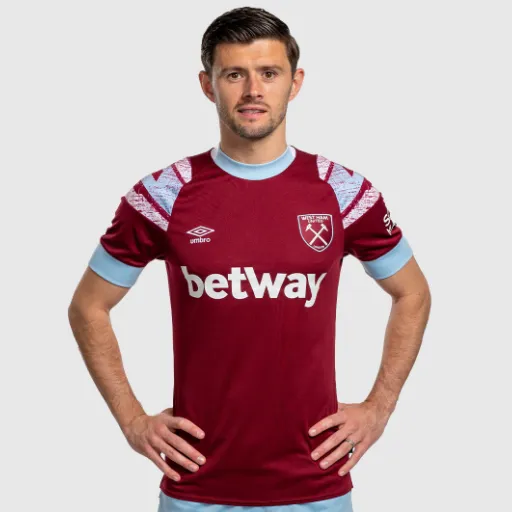
A: The most recent West Ham United jerseys are a combination of elegance and comfort with the claret and light blue color scheme. Among the key features are a ribbed collar and cuffs, and claret and navy details. The creative work not only signals the club’s past but also attracts modern-day fans.
Q: How do West Ham United jerseys connect to the club’s history?
A: West Ham United jerseys have changed a lot since the club’s founding in the 1890s. The ultimate guide to West Ham United jerseys portrays different versions of the club crest, such as the legendary crossed hammers, and provides a road map of the club’s kits changes and recalls the retro styles that highlight their rich history.
Q: What are the main colors of West Ham United jerseys?
A: The main colors of West Ham United jerseys come from a combination of the two primary colors of claret with light blue, which are sometimes reinforced by shades of blue and white. This color scheme, which depicts the club’s identity, is to be seen in their home and away kits.
Q: What does West Ham United’s jersey signify in terms of achievements?
A: West Ham United’s jerseys signified the celebrated achievements of the club such as winning the FA Cup three times and their recent Conference League victory. Special edition kits celebrating these milestones have been one of the ways these victories are marked.
Q: How can I find the latest West Ham United kit for sale?
A: The latest West Ham United kit can be bought at the official club store, online merchants, and selected sports retailers. Besides, fans can also look for retro versions of the jerseys that include the classic designs from the Upton Park and Boleyn Ground eras.
Q: What impact does the collar and cuffs design have on the West Ham jerseys?
A: The collar and cuffs design on the West Ham jerseys is very important as it captures the essence of contemporary fashion as well as that of the past. The use of v-neck and ribbed designs makes the shirts more comfortable and at the same time honors the club’s history.
Q: How is the jersey design affected by the shirt sponsor?
A: The shirt sponsor, Boyle Sports at present, has a very big say in the jersey design. The placement and design of the sponsor’s logo have to be in line with the overall look of the jersey, ensuring that it does not overshadow the club crest and other features.
Q: What is the origin of the blue and white colors in West Ham’s kits?
A: The blue and white accents in West Ham’s kits have historical roots, dating back to their 1903 designs. These colors symbolize the club’s identity and are often used to create distinctive home and away kits that resonate with fans.
Q: What can we expect from the next season’s West Ham United jerseys?
A: For the next season, fans can expect innovative designs that blend tradition with modernity. The new kit is likely to feature elements such as light blue sleeves, a refined collar, and updated sponsor placements, all while staying true to the club’s heritage in the Premier League.
I write about football shirts associated with well-known players and national teams. My articles discuss Ryan Giggs's Manchester United kits and Roy Keane's Ireland jersey, connecting the garment to the moments and supporters that made it memorable.