Still searching for your perfect jersey? Explore our best-selling products—we're confident you'll find a style that's just right for you in our diverse collection.
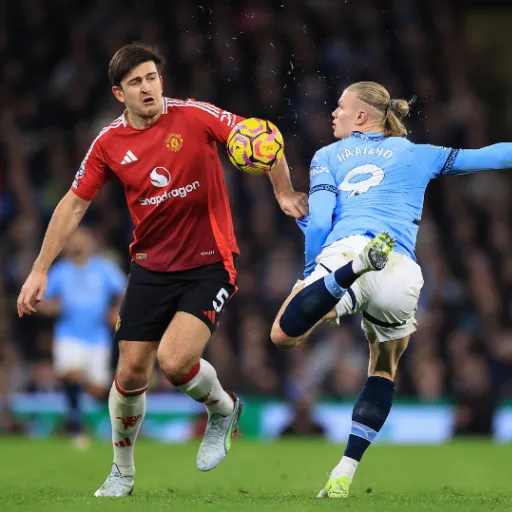
Football is truly embedded in Manchester, home to two of the most famous clubs in the world-Manchester United and Manchester City. But which club has the biggest fanbase? This comparison has been a source of intense debate and analysis since at least the 1970s- something done to death not only in the city itself but also in distant corners of the globe. Both are major attractions owing to their glorious history, talented stars, and unbeaten success stories that call for hundreds of accolades. In this post, we carve out some numbers, passion, and loyalty expressed by select fans from either side. We will explore how much perplexities unravel between local groupies and viewers from all over the world for the heightened individualism of each fanbase, in attempt to answer the ultimate Manchester question: is the city Blue or Red? Away from the orderly marketing figures, we expose the sports fans’ culture.
Overview of Manchester’s Iconic Football Clubs
Overview of Manchester’s Iconic Football Clubs
Manchester City and Manchester United Club
Manchester City and Manchester United are two of the most famous football clubs in the world, characterized by their rich histories and immense followings. Both are based in Manchester, England, and have one trophy after another to their names on both the domestic and international levels. The famous rivalry between the two clubs spin around the Manchester Derby” and stands as not only an intense but also historically passionate contest ensnaring the interest of lovers all over their world communities.
Throughout the years, Manchester United gained the reputation of being a fierce enemy over its numerous leagues of domination, while its rostered iconic players and an incredible tradition of success, which included major triumphs in Europe and domestically. Famous for its attacking style of the potent and the relentless, Manchester United stood as one of the most commercially successful soccer clubs ever. This club has been involved in making the name of world football “Manchester United”.
However, in more recent history, Manchester City has come up as a powerhouse and has built an identity through their successes on the field. The club is now considered the powerhouse of both English and European football leagues, owing to its visionary modern philosophy and its emphasis on a long-term program. With a loyal local support and an emerging international recognition, Manchester City continues to compete with its age-old foe for the dominant position in Manchester and elsewhere.
With respect to personal judgments, the City traditionally was said to be either ‘Blue’ or ‘Red.’ Both answers make sense, depending on individual outlook. In the past, Manchester United has been perceived as the better club, but Manchester City has of course risen in the recent past to produce a more meaningful rivalry. Hence, football identity in the city is shared by the two giants.
Historical Context and Rivalry
The Manchester football rivalry between the two dominant clubs is replete with decades of football competition and cultural significance. The rivalry is one in which Manchester United sprang into existence in 1878 and sort of started writing its history as an established was close to being a household name in the football world. On the other hand, Manchester City, coming into existence in 1880, achieved a history rich in its local industry and admired by a great deal of this particular loyal fan base, and thus had an identical season where they could be termed underdogs throughout the twentieth century.
The proximity and opposite histories merged into a more intense rivalry. United had obtained global success with many league wins and European wins; however, City had sporadic success with a few domestic cup wins to its credit. Nevertheless, come the 21st century, the ball has taken another turn with the City team being revitalized and modernly attended to by football. Things shifted so dramatically to revive the rivalry, while the two major clubs now find themselves jockeying for every available possible honor in the world of football.
It is more than the bitterness of soccer as both clubs have significance. True, the enmity is symbolic of both the city’s profile and cultural and sporting roots. Both sets of supporters are very proud of their club, contributing to one of the most bitter soccer rivalries that spills over onto a global stage. The rivalry transcends beyond football and also talks about how football loyalties evolve in a city buried under its historical and cultural heritage.
Significance of Fanbase in Football Culture
Football culture is shaped by the presence of fanbases, which represent an identity of the clubs in which they are part of. They infuse passion and energy into the sport, thereby creating a stadium atmosphere that vibrates within and outside football’s confines. Loyalty from fans keeps the system alive-that character and flavor that catapult these clubs into stardom. Be it in the terraces or away from home or showing their deep pocket through financial contribution, fans carry and nurture football.
Football fan bases are repositories of tradition and history, maintaining and escalating cultural identities of individual clubs. There’s a history that helps preserve clubs with chants, rituals, and narratives. Small fan groups within neighborhoods produce feelings of community and snowballing solidarity for other fans, bringing them all together with a common love for the team. In this sense, these feelings transform the game into something more than just a match—it is that grand celebration of pride and identity, inspired, brought to life, because of this emotional connection.
The relationship of football fanatics is noteworthy due to limitless local influence and bicameral cherish for the sport, without which, there would neither have grown a mutated sport nor, metaphorically speaking, any adolescents to inherit the crown of sophisticated football fanocultism. From social media strategy to media coverage to continental recognition, it has been through the fan bases that football has come to many within various regions and cultures in the world. The truth is that their rock-solid allegiance attracts corporate financial interests, talents, and means to sustain their highly technical edge over others. Therefore, football ultimately depends on the pleasurable and endearing support of the deserving football fanbases, without whom all natural and cultural aspects of football would be obliterated in limbo.
Exploring the Fanbase of Manchester City
Exploring the Fanbase of Manchester City
Growth and Development of City Supporters
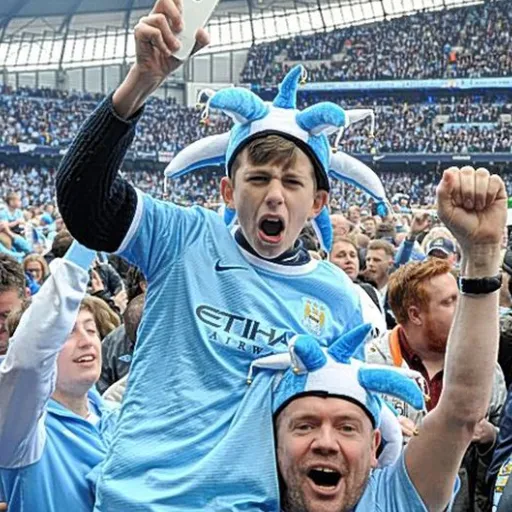
For the past few decades, the fan base of Manchester City has seen notable growth propelled by success on the field and efficient random fan outreach. Being a club rooted in of local community, the supporter base has otherwise extended globally, with considerable increases of international fans. The trend might really be credited quite a bit to continuous shows put on by the team nationally and internationally,since great media gave them exposure and made them perhaps the most liked.
The professional bond that Manchester City FC has created with its myriad fans has greatly helped the promotion of its supporters. This bond has been forged by the club managing to cement connections through social media interactions, fan-organized activities, and accessible media content. Furthermore, this has helped bring fans from different corners firmly towards the team, thus emphasising their loyalty and potential spirit for enthusiasm. This has more significantly ensured that the platform is very welcoming; it offers families and all-inclusive opportunities where many different people can feel appreciated.
The global outreach has also been significantly increased with higher visibility in international markets. This has helped the football club to reach massive proportions by the likes of showing rights, tours in various continents, and the immense potential already displayed by the brand. Time and again, the club has tried to reach out to a wider market base in so many unique ways.izes. There is nothing about this strategic move that can be said to have increased Manchester’s prosperity without putting it right on the world map with a fiercely loyal and ever-expanding set of followers.
Achievements Impacting Fanbase Expansion
Usually a comparison of fan bases will reveal that there is certainly a difference in the size and reach of the two main teams in Manchester. One team that has historically stayed at the top of its game consistently in chalking up wins in both local and international frontier grids corresponded to a discrete group of followers. All these victories together provided the background for a truly loyal cadre of followers to establish them in Manchester and beyond.
In more recent years, the second team has also begun to stretch its global reach, with infrastructure improvement and player development playing a bigger role. However, the growth of this second team has not really surpassed the reception of the powerful rivals; inside the city itself stood Manchester. Most studies and polls carried out under these scenarios have shown the older team has more fans in the locale, which could be attributed to a deeper root in the community and a relationship built over the years.
Globally there have been discussions as to the extent of the difference, but when there are long achievements and iconic moments, a team dominates in number of fans. While the rivalry and hence the excitement and engagement continue to be important, the fanbase is more inclined in the direction of one team in both a local and an international sense.
Global Fan Base and International Reach
Determining which team in Manchester has a larger fan base usually depends on various assessments of local support, historical performances, and regional faith. Each one garners stronger fan support locally within the city in relation to historical bonds with the community. Working-class neighborhoods have historically imbued this team with an air of commonality and historical respect.
On the other hand, with an improved fanbase in the last three or more decades, especially due to international success, Manchester’s other team has had more funds available for recruitment and hence greater attraction. This engagement on a global level told stories of success among fans at humble corners of the world. Undoubtedly, global fanbases play their role in popular perception, but this does not always match well with the dynamics of local support.
Both teams can be said to be blessed with passionate support all over the world, yet the team with deeper historical ties to Manchester traditionally has a slight edge in local allegiance. Either way, the fierce rivalry between the sides and the quality of both consistently induce never-ending arguments among the city’s inhabitants with divided loyalties.
Analyzing the Fanbase of Manchester United
Analyzing the Fanbase of Manchester United
Legacy and Historical Success of the Football Club
Man United has been counted as one of the most successful football clubs in global history with a legacy formed out of sheer success over decades. It has all to prove in an incredible number of domestic and international titles as a dominant force in English football. Several league championships and European titles glisten as a testimony of excellence on the field.
Its success in history goes along with wonderful managers and players whose mastery has made Manchester United live in the upper echelons of football. The dreams that the far-sighted managers carried Manchester United to major account, as there were seasons of dominance in both English and European terrains of football. The mere legend-like influence, now and prior to now, of the matadors has developed extensively in the heritage of this football club and linguistically subsumed the club in the crest of football history.
More than just a maker of trophies, Manchester United is a football club that draws a local fanatical base and a benign cultural effect. The brand is a synonym for idiosyncratic fervor and driven zest. This has been supplemented by the capacity to inspire whole generations of football fans and to realize timeless moments. All of which has put the club not as a football institution but in place as the paragon of global achievement and in the global spirit of resurgence.
Local Support within Manchester
Manchester United enjoys a colossal amount of local support. It is deeply entrenched with Manchester’s fabric, culture, and identity as a city. As an elite football club that has roots buried almost as deeply as those of the city itself, there has been since time immemorial a strong bond between Manchester United and the local community. As a representative of the collective pride, values, and resilience of the residents of his city, the club has been beloved by generations of Mancunians.
The connection between the club and its community shall be further improved by the outreach schemes announced by the club again. Plans involving youth development, education, social inclusion, and environmental conservation are central to the club and help Manchester United further become a defining feature within the larger social fabric. The programmes aim to provide the fans with fun interactions and an opportunity to bring about a positive change, thus demonstrating the club’s commitment to giving back to the city that supported it throughout these 100 years.
Match attendance from the local perspective provides solid evidence to such unwavering support. Passion and energy-filled energies are contributed by fans from Manchester and its surroundings. This same loyalty spills from the field, where almost anything that affects the club and, for some from the locale, remains personal—United and her local fans show up as the portrait of how deeply intertwined a community and a football club.
Massive Global Support and Merchandise Sale
Bam! Whenever Manchester United is all over beyond local territory, then consider it comes with a sizzling diversified audience. All around the world, people from all corners are actively involved with the club, be it watching it on air, giving online thumbs-ups, or through its official events. Such support granted reflects the club’s never-ending triumph and legend in world soccer. It is this concoction of worldwide fans from faraway islands put together that bestows the club with unparalleled individuality and a coherent passion across the globe.
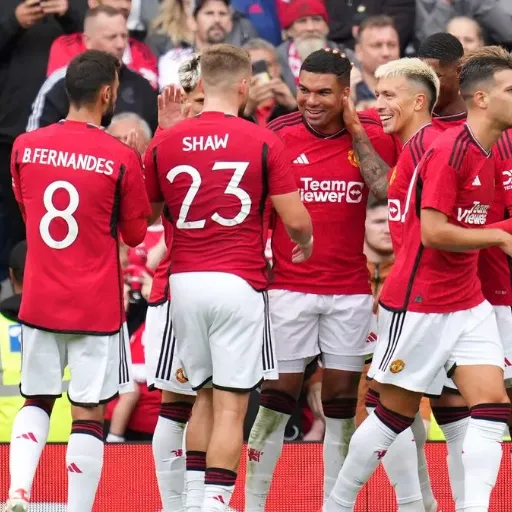
The worldwide acceptance of the club manifests through the sale of many items ranking among the highest in professional sports. Hence the sale of merchandise such as jerseys, scarves, and keepsakes brands feelings for enthusiasts, no matter where they are. Not only does this income form the organization’s major revenue source, but it also bolsters the attachment between the club and its fans throughout the world. Exposure of merchandising to local stores and those online only further complements it.
Having increasingly positioned Manchester United as one of the world leaders in both supporters’ engagement and commercial performance by virtue of significant on-field successes and global backing. Meanwhile, its global presence continued to grow, and through this and the club’s dedication, an enduring fan base assures a continued revenue stream. The success assuredly testifies to the global appeal of the club, rooted firmly in the local soil, setting it up as one of the most widely recognized and celebrated football clubs of all time.
Comparative Analysis of Fanbase Dynamics
Comparative Analysis of Fanbase Dynamics
Season Ticket Holders and Local Loyalty
By comparing the follower bases of both the football clubs of Manchester, one can see that both have a staunch fan base. This is a tradition that Manchester United has continued in the context of an immensely large international fan base since the club has won almost everything over the years. The duo is for local Manchester viewers to be very enjoyable given the exposure time and in their own backyard.
Manchester City has gained a significant following over the years, largely in part to the club’s revival on the pitch and shrewd foreign investments. This rise in popularity brought forth the added fan base by way of genuine fans who love the club from Merseyside to season ticket holders. But despite all that, Manchester United remains the better of the two in terms of local presence and legacy.
Manchester United still maintains the upper hand in terms of fan base size in absolute terms, but the rise of Manchester City has created a substantial narrowing of this edge, particularly within the local Manchester community. Aligned with that edge are a pool of diehard fans at both football clubs who contribute to the city’s rich footballing culture.
Social Media Presence and Online Engagement
Manchester United and Manchester City have established strong social media presences to reflect their broad international fan base and reach. Manchester United has the highest number of followers across several social media platforms, due to a rich history and long-standing global presence. They attract a variety of audiences from various generation contexts, sharing content like celebrating the legacy, good examples, and player highlights.
On the other hand, Manchester City is building its digital arm rather rapidly. Their intention of aiming for quick growth has been met with increasing numbers of followers and engagement rates, which were achieved by employing innovative content and engaging formats and targeting younger audiences. The initiatives in vogue are the new trends and platforms that can prove to be an asset and tools to preserve modern campaigning projects from their present records.
While both heavy contenders boast a policy of dynamism online, gap numbers are closing as recent years have seen Manchester City maintain some kind of consistency. Manchester United, however, still draws heavily on its legacy and universal appeal to extend an ever-higher baseline audience. Both clubs seem to have social media strategies that reflect their challenges and identity.
Recent Surveys and Fan Sentiment
There is a significant divergence in fan opinion, from recent surveys, in the two clubs. Most Manchester City supporters express high satisfaction with their club, driven by the consistency of play, the succession of trophy wins, and reasoned investments. In general, they acknowledge the correlation of the team’s upward progression and the nurturing of a winning culture, which is mentioned with pride. However, no one feels the risk that this upward swing can last other than to charm fans on a global scale in the long term.
Fan mood concerning Manchester United, however, still draws attention. Many of the historical and conservative fans are still within their fortress of historical significance: their hearts shattering silently as they continue their trust and loyalty to their Red Devil sweetheart and her historic legacy. They believe in the club’s global brand as the only good thing it ever had, and require a swift step or series of steps to bring back the old glory days, never to see them fade again in the most competitive realm of professional football.
Both clubs are at loggerheads with their fans overall, driven by immense passion and history. The tension results from the frequency and chronological order in which off-the-field factors such as victory, consistency, and even global influence mediate that perception-creating modern rivalry. The balancing act of repeating history while fixing retention requires very high short-term results for nowadays clubs.
Insights from Experts and Journalists
Insights from Experts and Journalists
Perspectives on Current Fanbase Trends
The following fan bases depend largely on local and global perspectives when comparing the two Manchester clubs. In a historical context, Manchester United has always edged City when it comes to fan base numbers. This is mainly because of their decades of success, images created by consistent access, and their global outreach projects. Winning silverware over the year, feeding the glory days with highly celebrated players, drew masses toward United, another solid consideration for worldwide followers.
But locally there has been a more even divide in their favor in terms of support for many years: City, in their most recent rise, notched several successes in domestic competitions. This, especially, has been most noticeable among those young fans who have come of age watching their favorite players dominate the pitch. With a temptation to indulge in community-based day-to-day activities, games or merchandise, a certain kind of love for the city, otherwise undetected before-has found growth in the city of Manchester.
With all its international market and history, Manchester United sustains a larger followership on a global level. Nevertheless, Manchester City is capitalizing its substantial gains in very recent years and closing the difference slightly. Thus, even while to date there is an overall edge for Manchester United, the dynamics suggest that Manchester City’s fan-value could in the future change the weighting.
Historical Context from Sports Historians
Historically, since the arrival of soccer in England, the legendary rivalry of Red Devils-Manchester United and Citizens-Manchester City has formed over the past 100 years. It can be noted an already a well-known fact that Manchester United was the top club out of the two, being highly successful in every era not only in the United Kingdom but also on the international stage. The Red Devils’ triumphs made them ever closer to the hearts of fans of different generations.
Until recently, Manchester City was unsuccessful on all counts. Hosting their florescence as underdogs and being consistent in their performances, the club has acquired an excellent fan base across the city and the globe too. Especially speaking of the youth, fans of all ages who have been fascinated by the art of modern football, as well as the achievements that have transcended the heights known to everyone. Such a revolution has lent the club fresh glitz and grandeur and reduced the gulf with the other end of Manchester within its own realms.
We should be taken with predisposition; during my time, Manchester United enjoyed fervor for universal standing and historical importance. The two Manchester sides do attract very close financial support and attention these days. However, the City brand is approaching a strong local patronage. It shows the continuing evolving dynamics of recent football developments and exploits that can affect where loyalty could really flow. United’s long-standing tradition will always lead the Way to their total number of followers.
Expert Opinions on the Future of Fan Culture
This Manchester derby fan division decidedly rests on the scale of the appropriate parameters of fan fervor. There has been but a certain global success for one club through the decades. It has succeeded in establishing itself as an evergreen culture icon. But when one looks at Manchester, support is fairly divided in more ways than one. The truth, after all, is that both clubs hold immense support from their city.
Results from various surveys in Manchester suggest that the team, which has been historically successful, generally grabs slightly more attention from supporters in the city due to its heritage and loyal fan following. But recently, the other teams from the league have won and community projects aimed at winning hearts and minds of the younger generation have evened up the support-distribution lines. This one finds itself being exhibited as something to show that recent performance and engagement have the potential to completely restructure the distribution of fan bases locally.
The Manchester fan culture in Manchester is an ever-changing treasure trove for both clubs that invest heavily in fostering stronger local bonds to the silent global cries. Ultimately, the aspect of patience manifests itself among the Mancunian supporters as we see inherent variations melting and transforming their loyalty.
Frequently Asked Questions (FAQ)
Q: Which club has a bigger fanbase in Manchester?
A: The discussion as to which party has the larger fanbase in Manchester is often thrown back to Manchester United and Manchester City, with United long considered the definitive most-followed club without any arguments worldwide. The club has millions of fans scattered in dozens of countries; its global fanbase forms a significant proportion of global football lovers. Nevertheless, with Pep Guardiola’s rearming of the Citizens in the past few years, City has raised the bar hard in the battle of the clubs right now to attract hundreds of thousands of new young supporters.
Q: How can successful teams add to or decrease their fanbases?
A: By performing exceedingly well at home, in the PL, and occasionally in the UEFA Champions League, an organization’s overall fanbase can increase. This ability to attract fans based on their title offers a clear advantage in support of the various clubs, and a good example could be seen via local support for Manchester City rather than Manchester United; while the former, in recent years under the influence of the general of Tiki-taka, has apparently pulled the interest of the younger generation away from the latter.
Q: What role do supporters clubs play?
A: The most important fans in Manchester are constructed by the supporters clubs. Man United and Man City have supporters clubs in Manchester and beyond that assist in holding events and promulgation of fan loyalty. These clubs all make an important contribution to the fans’ overall experience and engagement.
Q: Are there an increasing number of Manchester City fans in the city now?
A: It does seem Jeremy, that in recent years, Manchester City has been gaining local fans within Manchester, especially with successes like the Premier League and the Champions League. Certainly, the Etihad is a symbol of this success, attracting great support and hence, more season-ticket holders for the club.
Q: How did historical events give shape to the Manchester fanbase?
A: Rather different from one another, City and United have been opposites of the derby since the Red Devils reestablished themselves toward stability as an economy under Sir Ferguson’s force. The inquiry must now pertain to the credibility of this foundation, which with City within several years of the massive spending injection, and its cup of success runneth over into the future while the Mancunians start to pick up on the new reality.
Q: What are the variations in fan support between Manchester and Greater Manchester?
A: While Manchester United commands support in the city, as does City, because clubs have fans, plastered over Greater Manchester. City are relatively strong in East Manchester, whereas United’s fans are spread across various suburbs or areas.
Q: What can we expect in the future for Manchester’s football fan base?
A: The nature of Manchester’s football fan base is likely to continue evolving as the two clubs seek success in the English Premier League and Europe. Manchester City winning titles may push ManU further towards splendor, thus enhancing the competition for fans. Moreover, enhanced interaction with younger fans through digital media could have a huge impact in shaping future fan base dynamics.
I write about football shirts associated with well-known players and national teams. My articles discuss Ryan Giggs's Manchester United kits and Roy Keane's Ireland jersey, connecting the garment to the moments and supporters that made it memorable.